March 26, 2026
Purchasing a wheelchair accessible van is more than just buying a vehicle—it’s an investment in your freedom, independence, and ability to participate fully in daily life. For individuals with mobility challenges, having reliable transportation can open doors to work, social outings, and recreational activities that many people take for granted. However, the process of purchasing a wheelchair-accessible van can feel overwhelming. There are many considerations, from financial planning to accessibility features, that can make or break your experience with your new van. To make this process smoother, we’re walking you through seven common mistakes to avoid when purchasing a wheelchair-accessible van. By keeping these in mind, you’ll be able to make a well-informed decision that fits both your current and future needs.
1. Neglecting to Assess Your Specific Needs
One of the biggest mistakes people make is jumping into the buying process without clearly defining their needs. When considering wheelchair accessible vans, it’s essential to understand how different models, sizes, and modifications can impact your daily life. For example, some people might benefit from a minivan conversion because it’s compact, easier to drive, and still provides enough space for a single wheelchair and a caregiver. Others may require a full-size van for multiple passengers, extra storage, or specialized medical equipment. Without a clear understanding of your lifestyle, you risk choosing a van that doesn’t meet your long-term needs.
Another critical factor is your wheelchair. Different wheelchairs have different dimensions, and some van conversions may not accommodate all types comfortably. Think about the space required for turning, securing, and safely transporting the wheelchair. Additionally, consider any future changes in mobility or medical equipment needs. Planning ahead ensures that your van remains useful and safe for years to come.
Consider the number of passengers. Will you frequently have family members, caregivers, or friends traveling with you? Accounting for extra seating, seatbelts, and overall comfort can make a big difference in your daily experience. Assessing your specific needs upfront ensures that your investment in a wheelchair accessible van is both practical and sustainable.
2. Overlooking the Importance of Test Drives
A test drive isn’t just about how the van feels behind the wheel—it’s about experiencing its full functionality. Testing a wheelchair accessible van allows you to evaluate comfort, accessibility, and ease of operation in real-life scenarios.
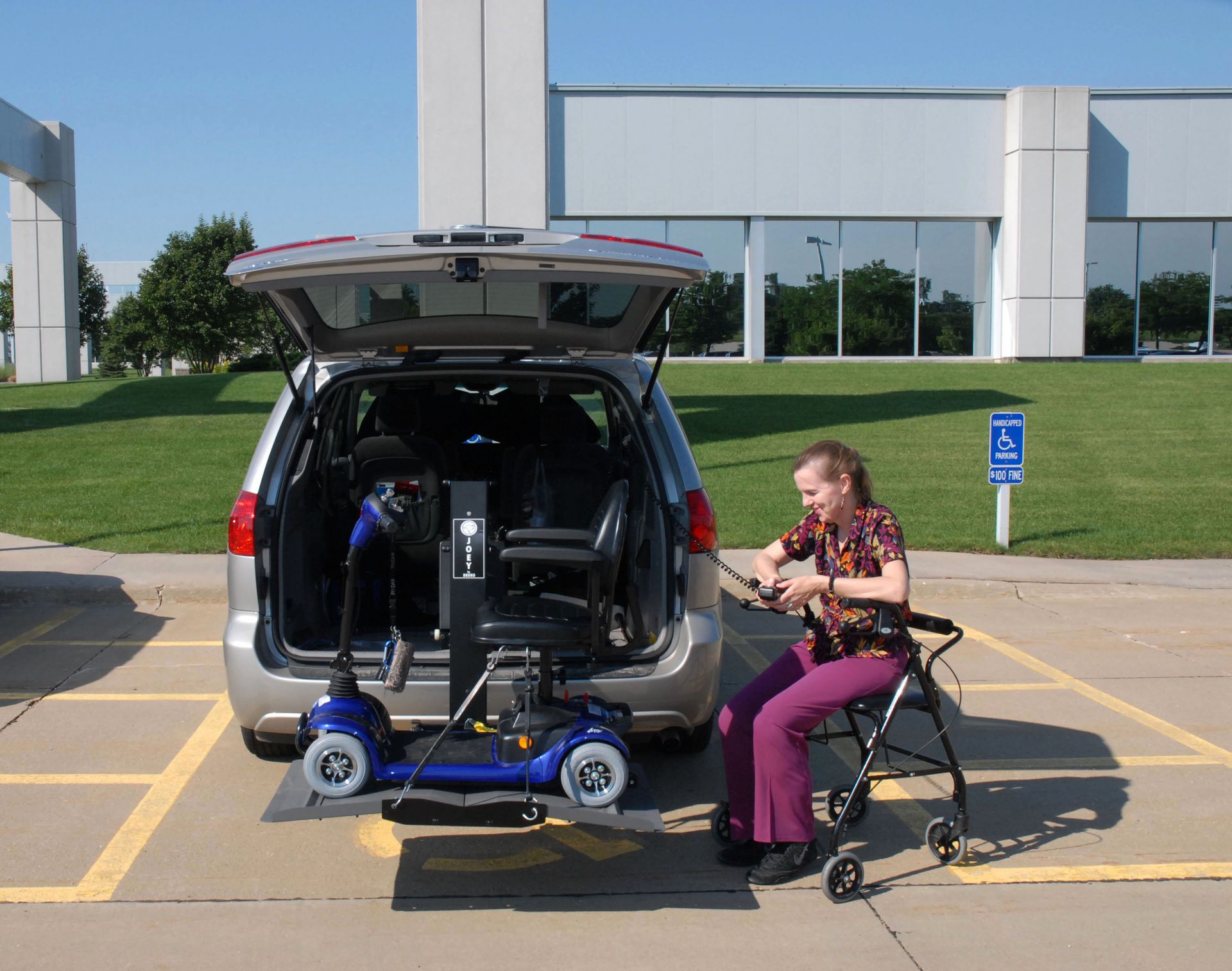
Pay attention to the ramp or lift. Is it smooth and reliable? Can you easily maneuver in and out without assistance? Test how the van handles tight spaces, parking lots, and uneven terrain. These seemingly small details can significantly impact your independence and day-to-day experience.
Also, evaluate the driving experience if you’re the one operating the vehicle. Some conversions alter the handling or responsiveness of the van, which may take some getting used to. Even if you are not the primary driver, understanding how the van behaves can help caregivers feel comfortable operating it as well.
A test drive also provides insight into the dealer’s service and support. Do they answer questions thoroughly? Are they knowledgeable about the modifications and accessibility features? Observing performance and reliability firsthand is a critical step in preventing future inconvenience and ensuring long-term satisfaction with your purchase.
3. Failing to Research Financing Options
Financial planning is a vital part of purchasing a wheelchair accessible van, yet many people overlook this step. Accessible vehicles often require a higher investment than standard models, especially when factoring in modifications or custom features. Exploring financing options ahead of time can prevent unexpected financial strain.
Start by comparing traditional auto loans with specialized loans for accessible vehicles. Many banks and credit unions provide programs tailored to buyers with disabilities, sometimes offering lower interest rates or longer repayment terms. Additionally, government and nonprofit programs may provide grants or assistance for purchasing adapted vehicles. These resources can significantly reduce your out-of-pocket costs.
It’s also important to consider the total cost of ownership. Insurance, maintenance, and potential future adaptations can add up quickly. Knowing these expenses upfront helps you budget appropriately. According to the Bureau of Transportation Statistics, nonworking individuals aged 18 to 64 with disabilities take significantly fewer social and recreational trips than nonworking individuals without disabilities. This statistic underscores the importance of accessible transportation—not just for independence, but for social engagement and quality of life.
Carefully researching financing options ensures that your new wheelchair accessible van is not only affordable upfront but also sustainable in the long term.
4. Ignoring the Vehicle’s Accessibility Features
Not all modifications are created equal, and overlooking accessibility features can turn a potentially life-changing van into a source of frustration. When evaluating a wheelchair accessible van, it’s crucial to test all aspects of its accessibility.
The ramp or lift should operate smoothly and safely, with minimal effort required. Check whether the ramp accommodates your wheelchair’s dimensions and weight. Inside the van, ensure there’s enough room for maneuvering and securing the wheelchair comfortably. Safety is key—struggling to fit or secure a wheelchair can lead to accidents or injury.
Customization options also matter. Some vans allow for adjustable seating, additional tie-downs, or even removable seats to accommodate different needs. Inspecting the quality and durability of these modifications is essential. Poorly executed adaptations may save money upfront but can create long-term headaches.
A van that meets all legal accessibility standards and provides reliable modifications ensures both safety and independence. Investing time in evaluating these features during the purchasing process can make a significant difference in your daily life with a wheelchair accessible van.
5. Underestimating Maintenance and Repair Costs
Maintenance and repairs are often overlooked when buying a wheelchair accessible van, but they are critical for long-term usability. Accessibility modifications add complexity to the vehicle, and routine maintenance is essential to keep it running safely.
It’s important to identify technicians experienced with accessible vehicles. Not every mechanic is familiar with ramps, lifts, or specialized seating. Using qualified professionals ensures proper servicing and avoids potential damage to your modifications.
Warranty coverage should also be reviewed carefully. A comprehensive warranty protects against unforeseen repair costs, while an emergency fund can cover unexpected expenses. Factoring in long-term maintenance costs helps you avoid financial stress and ensures your van remains a reliable tool for independence.
Regular maintenance not only preserves your investment but also guarantees that your wheelchair accessible van will continue to serve its purpose effectively, keeping you safe and mobile.
6. Skipping Professional Evaluations and Inspections
Skipping a pre-purchase inspection is a common mistake that can have serious consequences. Professional evaluations ensure that your wheelchair accessible van is mechanically sound, legally compliant, and suited to your specific needs.
Mobility consultants specializing in accessible vehicles can provide invaluable guidance. They can identify hidden issues, suggest appropriate modifications, and highlight potential pitfalls. Even minor mechanical or adaptation problems can turn into major headaches down the road, so this step is not something to overlook.
A vehicle history report is especially important when purchasing a used van. Past accidents, repairs, or modification issues can affect the van’s safety and reliability. By working with professionals, you gain peace of mind knowing that your investment is secure and that the van will meet your long-term mobility requirements.
7. Overlooking Long-Term Lifestyle Considerations
Consider how your wheelchair accessible van fits into your overall lifestyle. Will it allow you to participate in social activities, family trips, or recreational outings? Accessible transportation is about more than convenience—it’s about independence and quality of life.
Think about evolving mobility needs, future medical equipment, and changes in your household. A van that meets current requirements but cannot adapt to future needs may quickly become limiting. Choosing a vehicle that supports long-term mobility ensures that you get the maximum benefit from your investment. This broader perspective helps you avoid future frustration and makes your new wheelchair accessible van a true companion in your day-to-day life.
Purchasing a wheelchair accessible van is a significant decision, but avoiding these common mistakes can make the process smoother and more rewarding. Thoroughly assess your needs, test drive carefully, research financing options, inspect accessibility features, account for maintenance, and enlist professional guidance.
A well-chosen van can open doors to independence, social engagement, and improved quality of life. Remember, this investment isn’t just about transportation—it’s about freedom. Ready to find the perfect van for your lifestyle? Let Mobility Driven help you navigate your options and make the best choice for your mobility needs.