April 28, 2026
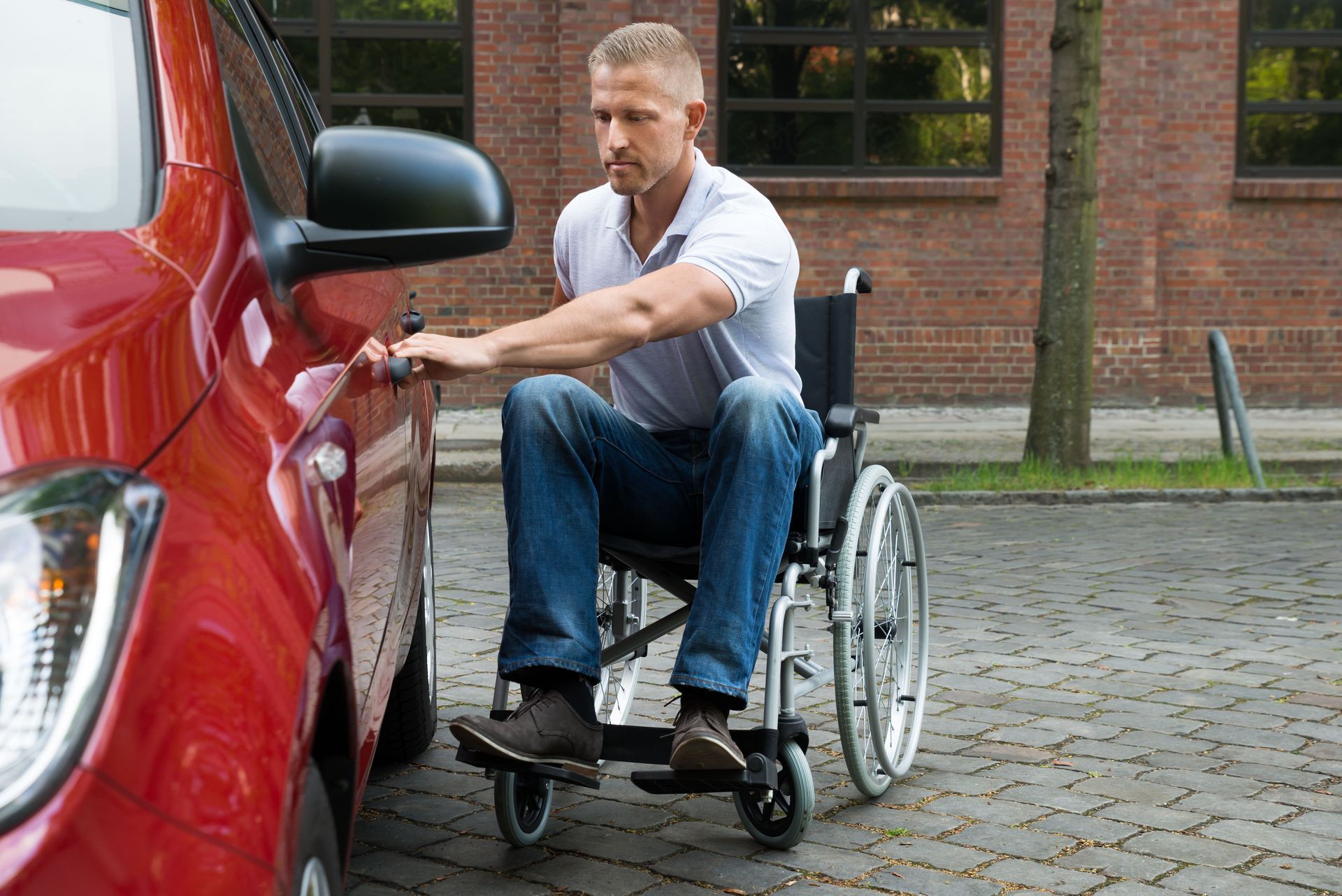
Mobility is more than just the ability to move from one place to another—it is closely tied to independence, confidence, and quality of life. For individuals who rely on mobility devices, everyday activities such as getting in and out of a vehicle can become challenging without the right support. Traditionally, many people have depended on caregivers or family members for assistance. While that support can be valuable, it often comes with limitations that impact personal freedom and autonomy.
Advancements in accessibility solutions have introduced alternatives that empower individuals to take control of their mobility. One such solution is the use of a vehicle lift, which enables users to transport their mobility devices with minimal assistance. As more people seek to maintain independence, the conversation around mobility is shifting toward solutions that prioritize self-reliance without compromising safety or convenience.
Understanding the difference between relying on personal assistance and investing in supportive equipment is key to making informed decisions. By exploring these options, individuals and their families can better evaluate what approach aligns with their needs, lifestyle, and long-term goals.
Understanding Personal Assistance
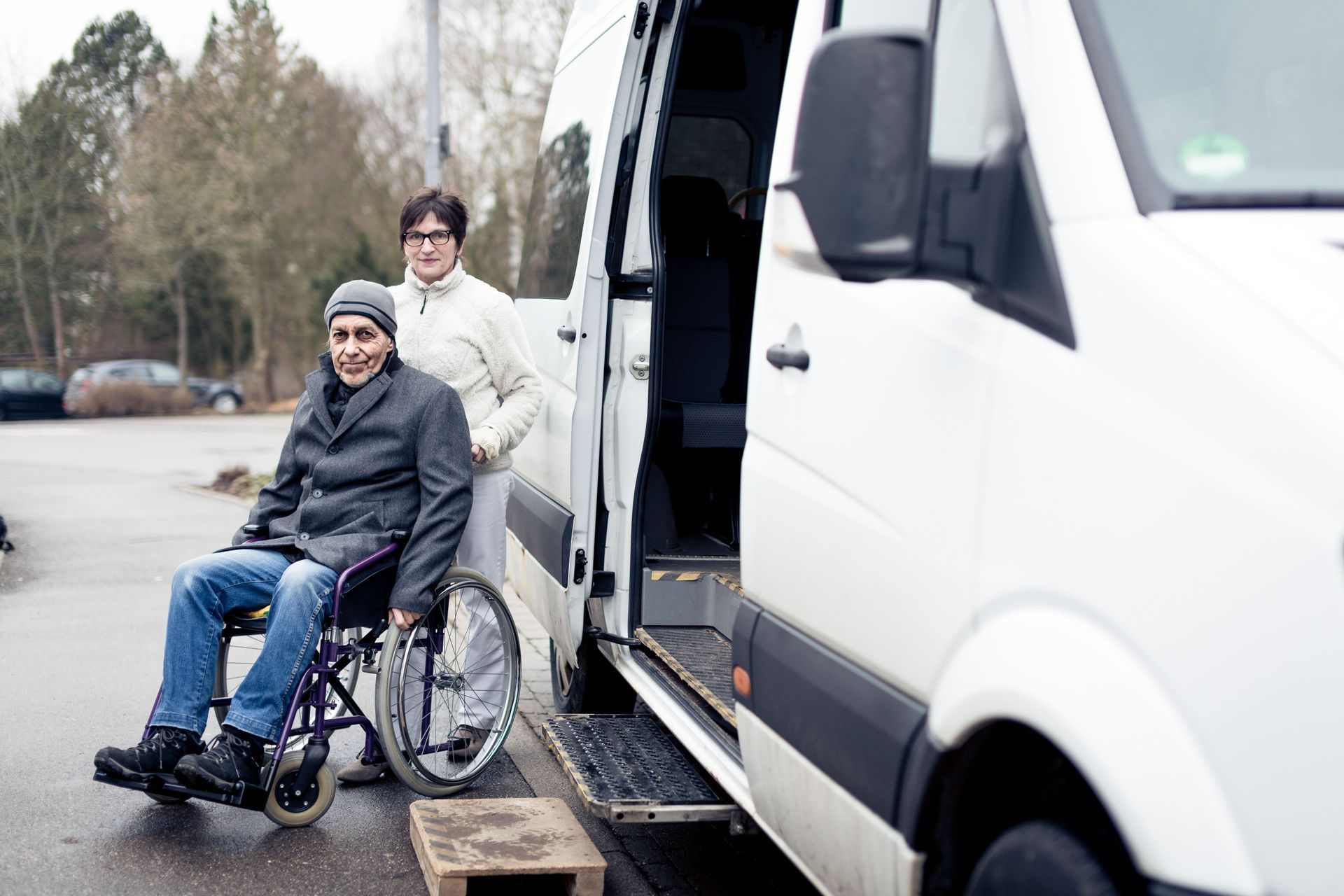
Personal assistance has long been a cornerstone of support for individuals with mobility challenges. Caregivers, family members, or professional aides often provide help with daily tasks, including transportation. This support can be essential, particularly for individuals with complex needs or those who require ongoing care.
Relying on personal assistance can offer reassurance and a sense of companionship. For many families, it provides a practical way to ensure that loved ones remain safe and supported throughout the day. Assistance with mobility can include helping a person transfer into a vehicle, lifting or storing mobility equipment, and ensuring everything is secured before travel.
However, personal assistance can also introduce limitations. Dependence on another person often means coordinating schedules, adjusting plans, and sometimes sacrificing spontaneity. Individuals may feel hesitant to ask for help frequently, which can lead to reduced outings or missed opportunities. Over time, this reliance can impact emotional well-being, as independence becomes more difficult to maintain.
While personal assistance remains an important resource, it is not always the most flexible or empowering option for those seeking greater control over their daily lives.
Exploring Vehicle Lift Solutions
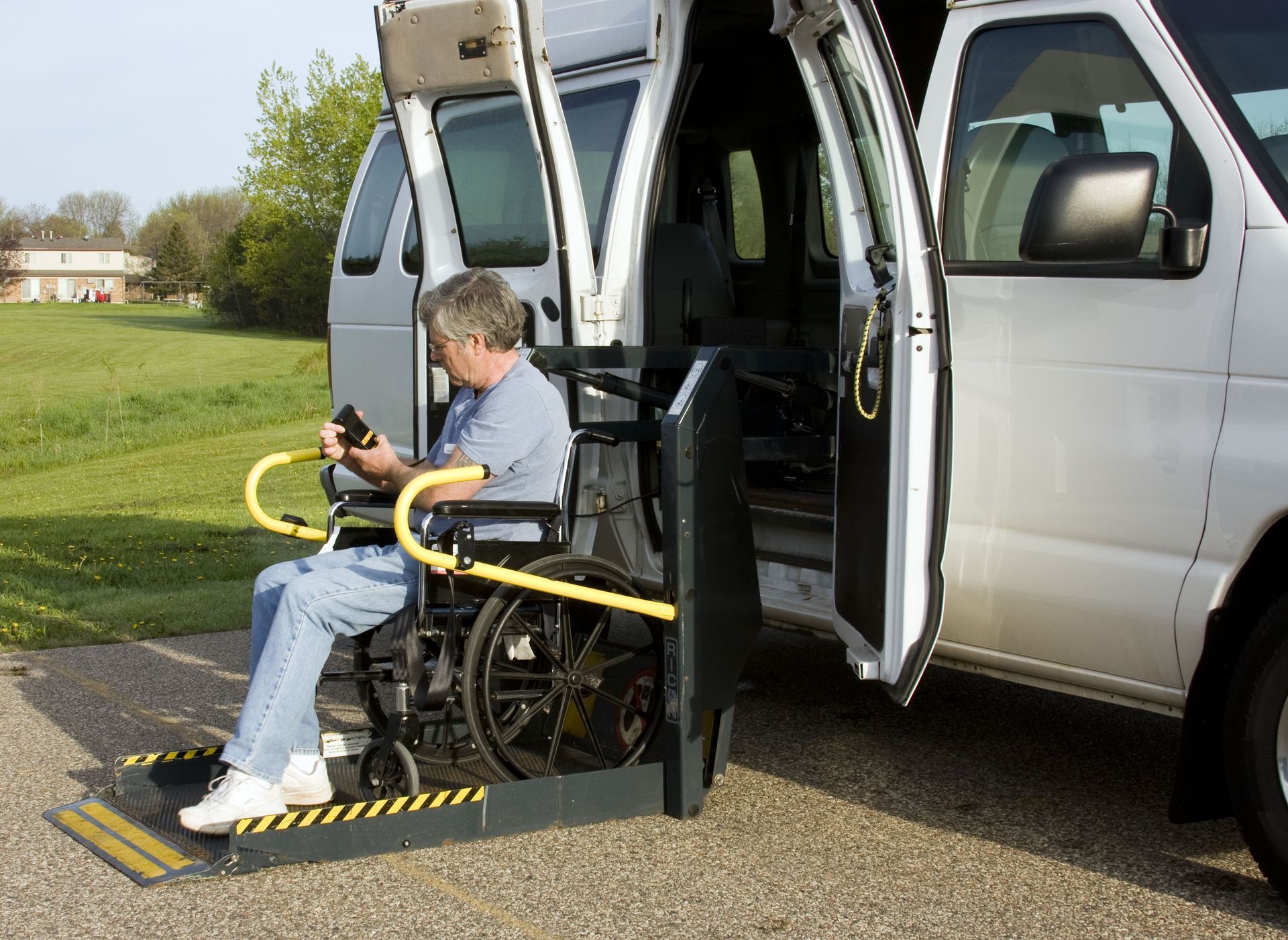
Vehicle lift technology offers a modern alternative that enhances mobility and independence. A vehicle lift is designed to transport mobility devices such as wheelchairs or scooters by securely lifting and storing them in or on a vehicle. These systems are engineered for ease of use, allowing individuals to operate them with minimal effort.
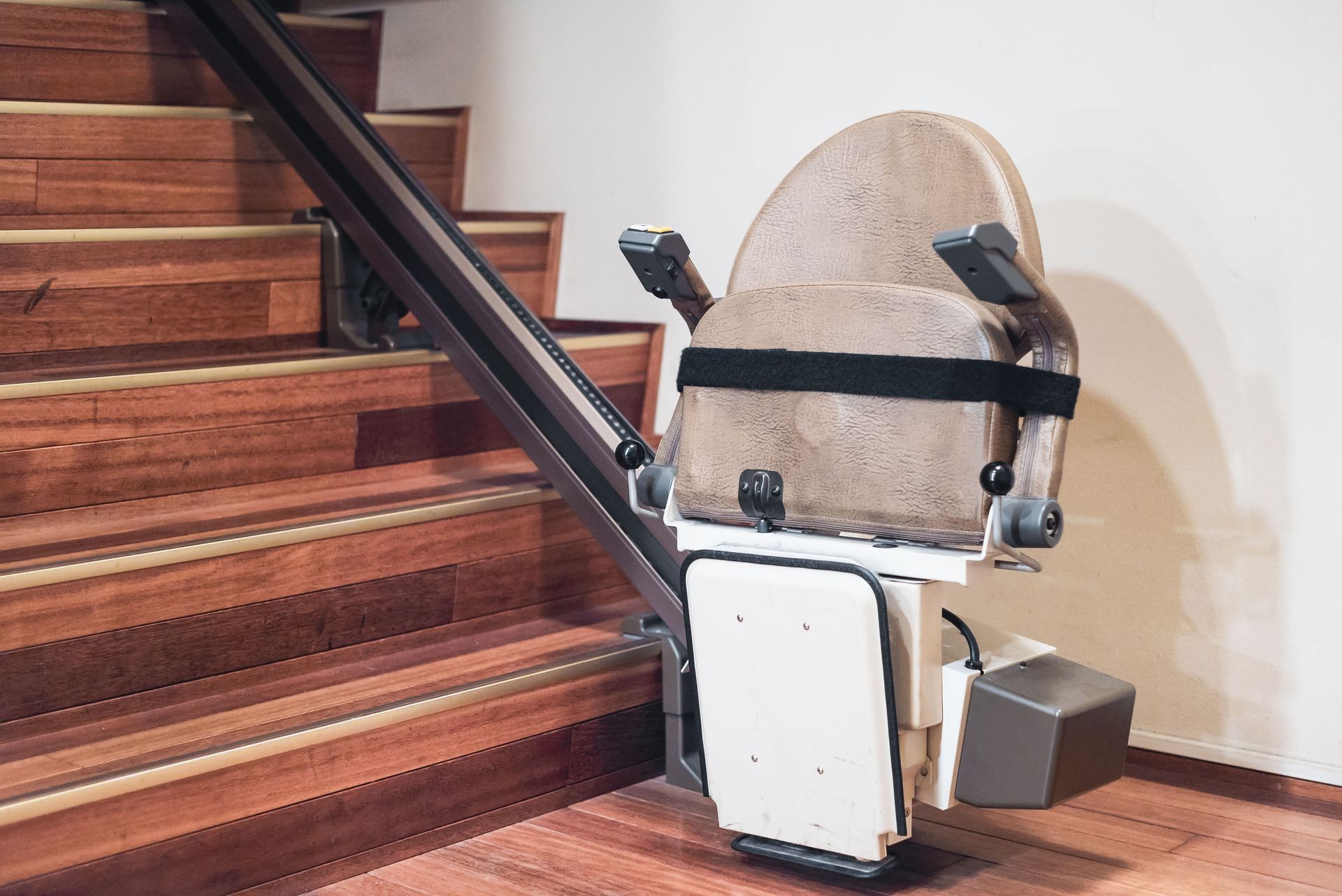
There are various types of lifts available, each tailored to different needs and vehicle styles. Some lifts are installed inside the vehicle, while others are mounted externally. The design ensures that mobility devices can be loaded and unloaded efficiently, reducing the need for physical strain or assistance from others.
What makes a vehicle lift particularly valuable is its ability to simplify a once-complicated process. Instead of relying on someone else to handle heavy equipment, users can manage their mobility devices independently. This shift not only improves convenience but also fosters a sense of empowerment.
In addition to convenience, vehicle lifts are built with safety in mind. Secure attachment mechanisms, smooth lifting systems, and durable construction all contribute to reliable performance. For individuals who prioritize independence, these features provide peace of mind while traveling.
Comparing Independence and Dependence
When evaluating mobility solutions, the distinction between independence and dependence becomes a central consideration. Personal assistance, while helpful, often requires coordination and availability. This reliance can create barriers to spontaneous travel or last-minute plans.
In contrast, a vehicle lift allows individuals to take control of their mobility without waiting for help. The ability to leave home at any time, run errands independently, or attend social events without scheduling assistance can significantly enhance daily life. This autonomy contributes to a stronger sense of confidence and self-sufficiency.
Independence also extends beyond convenience. It influences how individuals perceive themselves and how they engage with the world around them. Having the tools to manage mobility without relying on others can lead to increased participation in activities, improved mental well-being, and a greater sense of inclusion.
According to Disabled World, almost one-third of mobility device users need assistance from another person in one or more of the Activities of Daily Living (ADL). This highlights the widespread reliance on support and underscores the importance of solutions that can reduce that dependence when possible.
Evaluating Lifestyle and Daily Needs
Every individual’s mobility needs are unique, and selecting the right solution requires careful consideration of lifestyle factors. Daily routines, frequency of travel, and personal preferences all play a role in determining whether personal assistance or a vehicle lift is the better fit.
For individuals who enjoy frequent outings or have active schedules, the flexibility of a vehicle lift can be especially beneficial. It allows for greater control over timing and eliminates the need to rely on someone else’s availability. This independence can make it easier to maintain social connections, attend appointments, and participate in community activities.
On the other hand, individuals with more complex mobility needs may still require some level of assistance. In these cases, combining personal support with accessibility equipment can create a well-rounded solution. The goal is to enhance independence where possible while maintaining the necessary level of care.
It is also important to consider the physical demands of handling mobility equipment. Without proper tools, lifting and storing devices can be challenging and potentially unsafe. A vehicle lift addresses this concern by reducing strain and providing a more efficient method of transport.
Enhancing Safety and Confidence
Safety is a critical factor in any mobility solution. Whether relying on personal assistance or using a vehicle lift, ensuring secure and reliable transportation is essential.
Personal assistance can provide hands-on support, but it also depends on the caregiver’s experience and physical capability. Improper handling of mobility devices or incorrect transfers can lead to potential risks. Consistency in care is important, but it may vary depending on the individual assisting.
A vehicle lift offers a more standardized approach to safety. Designed with secure locking systems and controlled movement, these lifts minimize the risk of accidents during loading and unloading. The predictable operation of a lift system can provide reassurance, especially for individuals who value consistency.
Confidence often grows alongside safety. When individuals feel secure in their mobility process, they are more likely to engage in activities and travel with ease. A vehicle lift supports this confidence by offering a dependable solution that reduces uncertainty.
Supporting Long-Term Independence
As mobility needs evolve, having adaptable solutions becomes increasingly important. Long-term independence requires tools and resources that can grow with the individual’s changing circumstances.
Personal assistance may continue to play a role, but relying solely on it can become limiting. Changes in availability, scheduling conflicts, or shifting needs may create challenges. Incorporating solutions like a vehicle lift can help mitigate these concerns by providing a consistent and reliable option.
Investing in independence-focused equipment also supports future planning. It allows individuals to maintain control over their routines and reduces the likelihood of disruptions. This stability can be especially valuable for those who wish to remain active and engaged in their communities.
Choosing between personal assistance and mobility equipment is a deeply personal decision that depends on individual needs, preferences, and circumstances. While personal assistance offers valuable support, it can sometimes limit flexibility and independence. On the other hand, solutions like a vehicle lift provide an opportunity to take control of mobility, enhancing both convenience and confidence.
By carefully evaluating lifestyle, safety, and long-term goals, individuals can find the right balance between support and independence. Empowering mobility is not just about transportation—it is about creating opportunities to live life on one’s own terms. At Mobility Driven, we understand how important independence is in everyday life. We are committed to helping you find the right vehicle lift solution to match your needs and lifestyle, so you can move forward with confidence and freedom.