
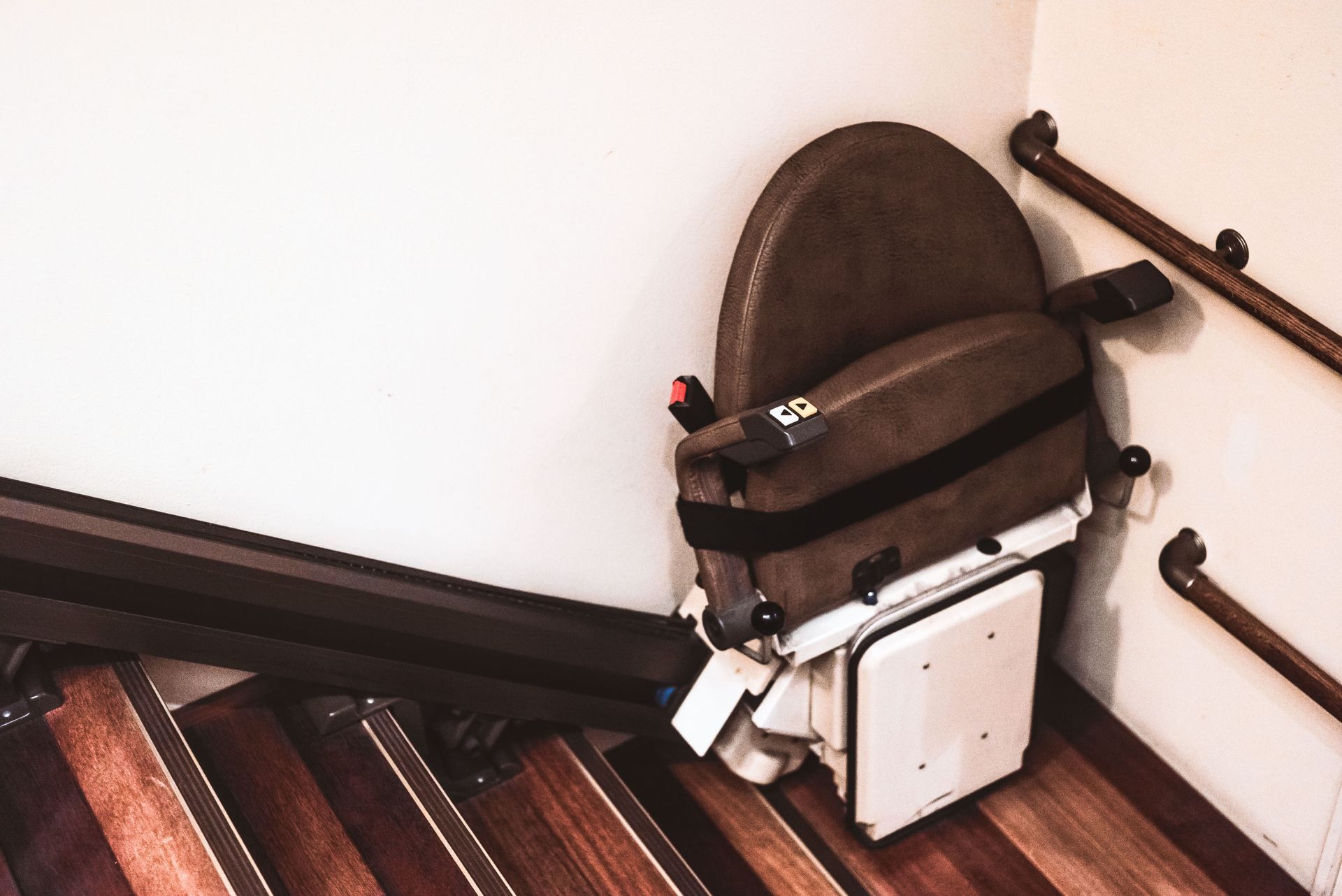
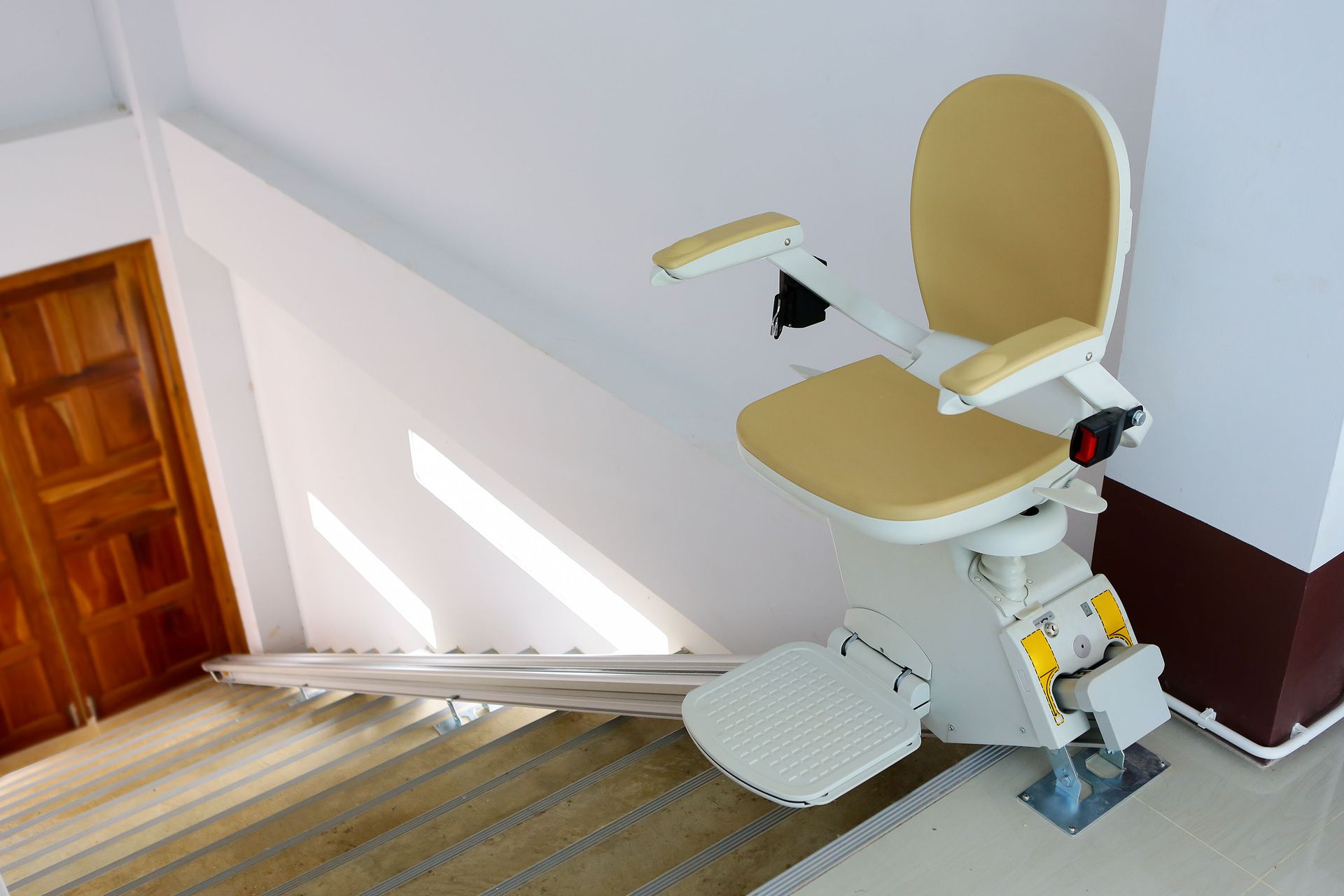
Discover key factors for choosing a home stair lift—from staircase fit, safety features, and comfort options to costs and installation—for safe aging in place.
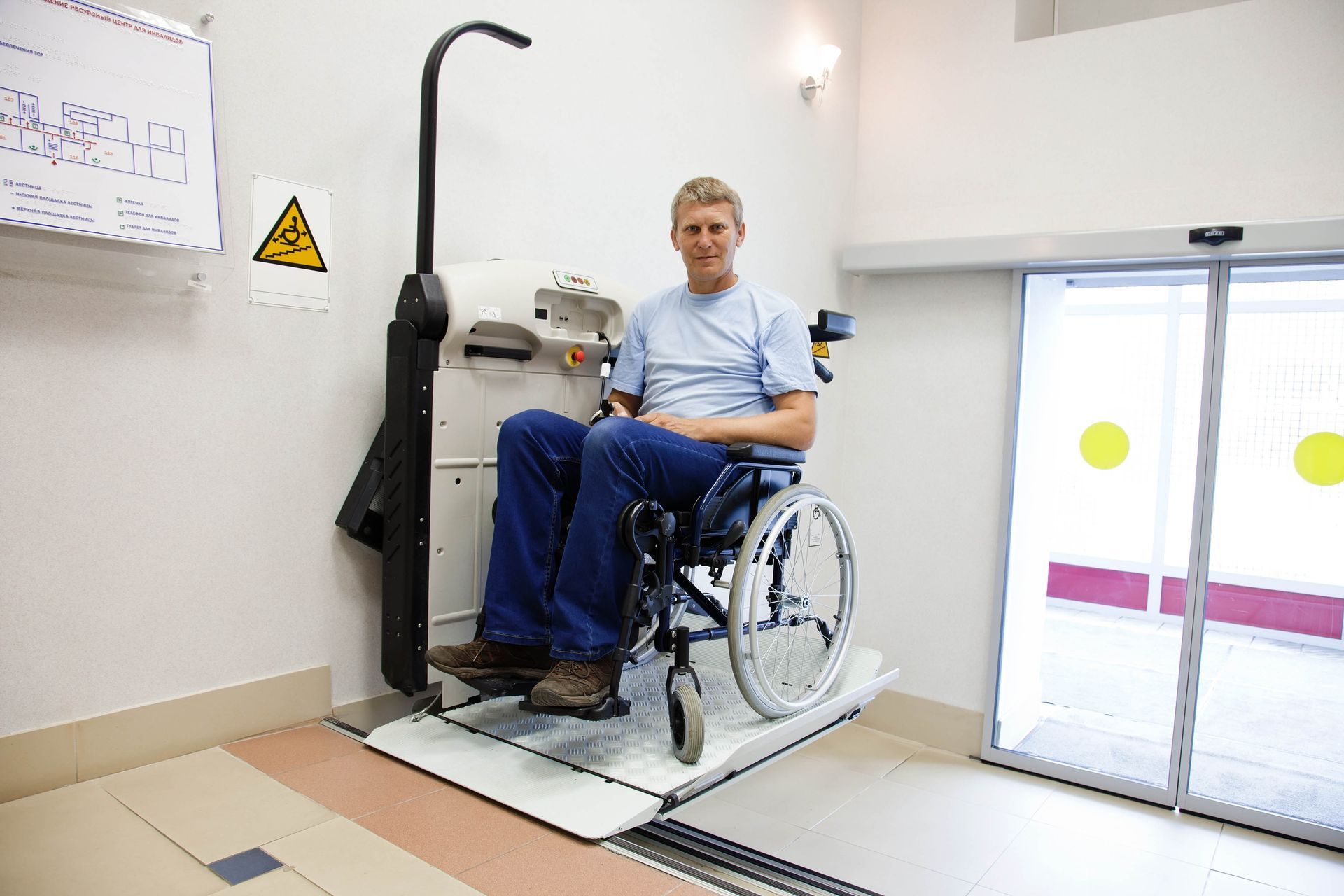
Navigating stairs can become difficult for individuals experiencing limited mobility, balance concerns, or age-related physical changes. A staircase that once seemed manageable may eventually create obstacles to accessing essential areas. Fortunately, modern stair lifts provide practical solutions that help individuals move between floors with greater comfort and confidence. At Mobility Driven, we understand how important independence and accessibility are. Choosing the right home stair lifts requires consideration of your staircase, mobility needs, safety preferences, and budget. Understanding the available options can help you make an informed decision about improving accessibility throughout your home. Understand the Different Types of Stair Lifts Different stair lift designs accommodate various architectural layouts and individual mobility needs. Straight Stair Lifts Straight stair lifts are designed for staircases without curves, turns, or intermediate landings. These models travel along a rail that follows the staircase, providing reliable transportation between floors. Because they require less customization, straight models are often more affordable and quicker to install than curved alternatives. They are particularly suitable for traditional staircase layouts. Curved Stair Lifts Curved stair lifts accommodate staircases featuring turns, corners, or intermediate landings. Their tracks are custom-designed to follow the staircase's specific configuration. Although these systems typically involve higher costs and longer installation timelines, they provide accessibility solutions where standard straight models cannot operate effectively. Outdoor Stair Lifts Outdoor stair lifts help individuals navigate exterior staircases leading to entrances, patios, and other outdoor areas. These systems feature weather-resistant components designed to withstand environmental conditions. Professional installation helps ensure the equipment functions appropriately outdoors. Standing and Perch Stair Lifts Standing and perch models accommodate individuals who experience difficulty bending their knees or sitting comfortably. These systems provide supported transportation in a more upright position. However, they are not appropriate for everyone. Professional assessments determine whether a person's balance, strength, and mobility allow for safe operation. Evaluate the Essential Safety Features Safety should remain a primary consideration when selecting mobility equipment. Modern home stair lifts offer features designed to support secure operation and reduce accessibility concerns. Weight Capacity and Support Every stair lift has a manufacturer-specified weight capacity. Selecting equipment that accommodates the user's weight is essential for reliable performance. Some models offer higher capacities or additional support features. Our team can help customers understand which specifications align with their requirements. Seating and Footrest Options Comfortable seating can make daily stair lift use more convenient. Available features may include adjustable seats, swivel mechanisms, padded surfaces, and folding footrests. Swivel seats simplify transfers at staircase landings, while folding components preserve space for other household members. Safety Sensors and Restraints Many stair lifts include obstruction sensors that stop movement when an object blocks the equipment's path. Seatbelts, controlled acceleration, and emergency stop functions provide additional protection. Understanding these features helps users feel more confident when traveling between floors. Battery Backup and Controls Battery-powered stair lifts generally recharge through a connected charging system. Depending on battery condition and model specifications, they may continue operating for a limited number of trips during electrical outages. Remote controls allow users to call or send the lift between floors, improving convenience. Assess Your Home's Accessibility Requirements Selecting appropriate home stair lifts involves more than choosing a comfortable seat. The home's architecture and available space significantly influence equipment compatibility. Staircase Dimensions and Configuration Staircase width, length, slope, and landing arrangements determine which lift models can be installed. Professional measurements identify suitable equipment and establish whether custom track configurations are necessary. This evaluation also prevents clearance problems after installation. Entry Points and Available Space A stair lift should provide convenient access without unnecessarily obstructing hallways, doorways, or commonly used areas. Compact designs and folding components accommodate narrower staircases. Proper placement also allows other household members to continue using the stairs. Electrical Requirements and Placement Most modern stair lifts require electrical power for battery charging or operation. Requirements vary depending on the equipment. Our professionals can identify suitable installation locations and determine whether additional electrical work is necessary. Interior Appearance and Comfort Accessibility improvements should complement the home's existing environment whenever possible. Modern stair lifts offer different seating materials, finishes, and configurations. Selecting an appropriate design preserves the home's appearance while improving functionality. Consider the Long-Term Benefits and Costs Investing in home stair lifts involves evaluating immediate expenses and ongoing advantages. A suitable system supports independence while reducing the physical demands of climbing stairs. Equipment and Installation Expenses Straight stair lifts generally cost less than curved systems because their tracks require less customization. Additional seating features, specialized equipment, and installation complexity influence pricing. Professional estimates help homeowners understand the anticipated investment before installation. Maintenance and Service Expenses Stair lifts require periodic professional maintenance. Inspections identify worn components, battery concerns, and operational problems before they become more significant. Considering service availability and warranty coverage helps homeowners plan for long-term ownership. Independence and Accessibility Benefits Accessible transportation within the home makes everyday activities more manageable for individuals experiencing mobility limitations. According to the Bureau of Transportation Statistics, individuals aged 18 to 64 with disabilities are less likely to own or have access to vehicles compared to those without disabilities. Although this statistic concerns transportation access rather than stair lift ownership, it highlights broader accessibility challenges affecting people with disabilities. Improving mobility within the home addresses another important aspect of independent living. Financial Planning and Assistance Depending on individual circumstances, certain assistance programs may help eligible individuals manage accessibility-related expenses. Coverage and eligibility vary, and homeowners should confirm requirements directly with the appropriate program or insurance provider. Choose a Reliable Stair Lift Provider Finding dependable home stair lifts means selecting professionals who understand accessibility equipment and customer needs. Product Selection and Expertise An experienced mobility equipment provider explains differences between available models and recommends options suited to particular staircase configurations. At Mobility Driven, we believe customers deserve clear information about their choices so they can select equipment that supports their daily routines. Professional Assessments and Recommendations An in-home assessment allows professionals to evaluate staircase dimensions, equipment compatibility, and individual mobility requirements. This personalized approach helps avoid purchasing equipment that does not accommodate the user's needs or home layout. Warranty Coverage and Customer Support Warranty protection and responsive customer support are important considerations when purchasing mobility equipment. Homeowners should understand which components are covered, how service requests are handled, and what maintenance responsibilities apply after installation. Transparent Estimates and Communication A detailed estimate should explain the proposed equipment, installation requirements, and applicable service costs. Clear communication helps customers understand what to expect and make purchasing decisions with confidence. Prioritize Professional Installation and Maintenance Professional installation helps home stair lifts operate safely and consistently. Proper setup also supports equipment longevity and manufacturer requirements. Installation and Safety Compliance Qualified installers evaluate equipment positioning, track alignment, electrical connections, and applicable installation requirements. Professional installation reduces the risk of mechanical problems and ensures the system is appropriately configured for the staircase. Equipment Testing and User Training Following installation, technicians should test the lift's controls, sensors, charging functions, and movement. Users should receive instructions covering safe transfers, operating procedures, and emergency functions. Familiarity with these features supports confident daily use. Routine Inspections and Professional Servicing Scheduled maintenance preserves reliable equipment performance. Technicians inspect mechanical components, evaluate batteries, and address developing operational concerns. Professional servicing also helps homeowners avoid unnecessary interruptions to their accessibility equipment. Improve Your Home's Accessibility With Mobility Driven Choosing the right home stair lifts can make a meaningful difference in everyday comfort, accessibility, and independence. From evaluating staircase layouts to comparing safety features and long-term costs, professional guidance simplifies the decision-making process. At Mobility Driven, we recognize that every home and individual has unique accessibility requirements. Our goal is to help customers explore practical mobility solutions that support safer, more convenient movement throughout their living spaces. If stairs have become an obstacle in your home, contact Mobility Driven to discuss your needs and explore suitable stair lift options. With the right equipment and professional support, you can make your home more accessible and enjoy greater confidence in your daily routine.
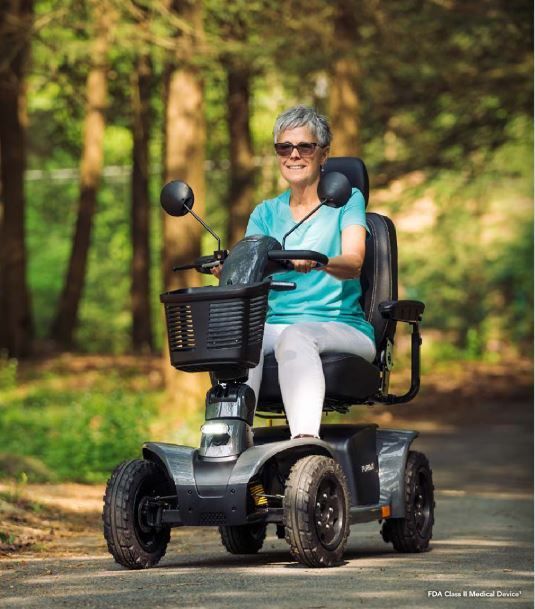
Explore how heavy-duty mobility scooters support independence, comfort, and everyday accessibility while helping users find the right mobility solution.

