November 6, 2026
Heavy-duty mobility scooters help individuals with disabilities, age-related mobility challenges, and other physical limitations maintain independence and participate in everyday activities. With features designed for comfort, stability, and extended travel, these devices provide dependable transportation for people who need additional mobility support. Choosing the right scooter can make it easier to attend appointments, complete errands, and enjoy community activities.
Understanding Heavy-Duty Mobility Scooters
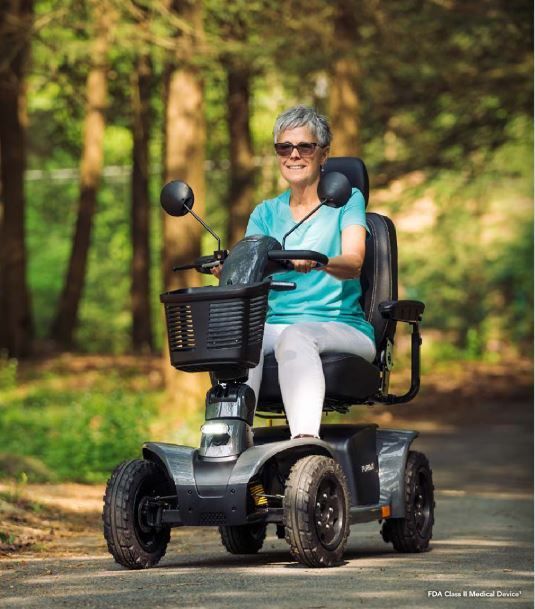
Heavy-duty mobility scooters are designed for users who need greater weight capacity, stability, and performance than standard models typically provide. They often feature powerful motors, larger batteries, reinforced frames, and wider seating options. These characteristics make them suitable for individuals who require dependable transportation across different environments.
Comfort and convenience are also important considerations. Adjustable tillers, padded seats, supportive armrests, and accessible controls help users find a configuration that suits their needs. Storage compartments, lighting, and suspension systems can further improve convenience and comfort.
Differentiating Between Heavy-Duty and Standard Models
Standard scooters may be suitable for shorter trips and smooth surfaces, while heavy-duty models accommodate more demanding mobility requirements. Depending on the model, they may offer weight capacities exceeding 400 pounds, stronger motors, and improved suspension. Their larger batteries can also provide greater travel ranges, although performance varies with terrain, user weight, and other conditions.
When comparing mobility scooters, users should evaluate seating comfort, turning radius, storage requirements, and intended travel distances. A mobility specialist can explain these differences and help identify a model suited to individual needs.
Supporting Individuals With Physical Disabilities
Mobility limitations can affect transportation, employment, social participation, and access to essential services. According to the CDC, roughly 61.4 million noninstitutionalized U.S. adults, or 25.7% of the population, report having a disability. Accessible transportation options can help address some of the challenges these individuals encounter in their communities.
Mobility scooters provide powered transportation for people who have difficulty walking long distances or standing for extended periods. Heavy-duty models may be especially helpful for users who need additional seating support, greater stability, or higher weight capacities. The right equipment can make everyday activities more accessible while helping users maintain greater independence.
Accessing Safety Features
Ease of operation is essential when selecting a mobility scooter. Intuitive steering controls, adjustable tillers, and supportive seating can accommodate different physical abilities and improve comfort. Users should also consider whether the scooter's dimensions and turning radius suit their homes and frequently visited locations.
Safety features are equally important. Depending on the model, wider wheelbases, suspension systems, anti-tip mechanisms, headlights, and effective brakes can improve stability and visibility. Professional guidance can help users understand a scooter's capabilities and determine whether it is appropriate for their intended environments.
Personalizing Features
Battery performance matters for people who depend on their scooters throughout the day. A longer travel range can make extended outings more convenient, but actual performance depends on factors such as terrain, temperature, passenger weight, and battery condition. Users should compare manufacturer specifications with their typical travel requirements.
Personalized features can also improve usability. Adjustable armrests, additional legroom, alternative seating arrangements, and accessible controls may accommodate specific physical needs. A mobility specialist can help identify useful options without adding unnecessary features or expenses.
Helping Older Adults Maintain Independence
Age-related changes can make walking, standing, and traveling longer distances increasingly difficult. Conditions that affect balance, joint comfort, or endurance may prevent older adults from participating in activities they previously enjoyed. Mobility scooters provide an alternative means of transportation that can help preserve independence and community involvement.
With suitable equipment, older adults may find it easier to visit relatives, attend appointments, and enjoy recreational activities. Supportive seating and accessible controls can make regular use more comfortable, while an appropriate battery range can accommodate everyday outings. Selecting a model that matches individual needs can help older adults maintain their preferred routines.
Choosing Mobility Scooters for Different Lifestyles
The best mobility solution depends on where and how a person intends to use it. Some individuals prioritize outdoor travel, while others need equipment for errands, shopping, and everyday transportation. Considering these differences helps narrow the selection to models with appropriate performance, dimensions, and comfort features.
Compact scooters may be easier to store and transport, while heavy-duty designs often emphasize stability, seating space, and higher weight capacities. Users should also consider turning radius, ground clearance, and the accessibility of their intended routes. Comparing these factors helps identify equipment that fits both practical requirements and personal preferences.
Having Comfort and Everyday Convenience
Comfort becomes especially important for individuals who use their scooters regularly or spend extended periods traveling. Seat cushioning, armrest positioning, legroom, and steering adjustments can influence how comfortable a scooter feels throughout the day. Choosing suitable features can help users enjoy longer outings without unnecessary physical strain.
Convenience also depends on how well the scooter fits into everyday routines. Storage baskets may provide space for shopping bags and personal belongings, while accessible controls can simplify common tasks. Evaluating these features alongside performance specifications helps users select a mobility solution that supports their daily activities.
Keeping Personal Items and Long-Term Value
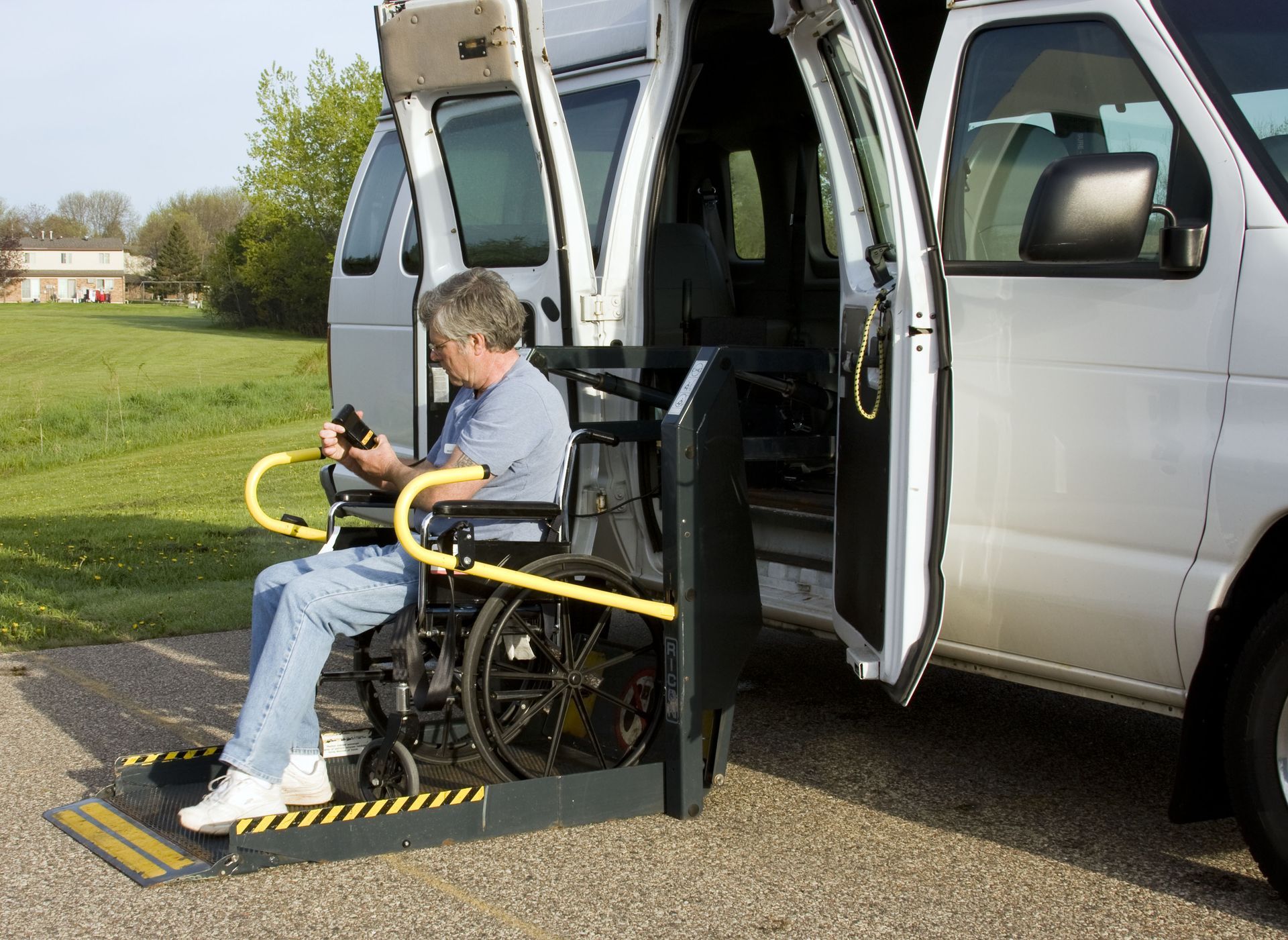
A mobility scooter must fit into the user's living arrangements as well as their daily routine. Larger heavy-duty models may require additional storage space and specialized vehicle transportation equipment. Doorway widths, charging locations, and the availability of compatible vehicle lifts are important considerations before purchasing.
The initial purchase price is only one part of the overall cost. Warranty coverage, servicing, replacement parts, and battery replacement expenses can affect long-term value. Comparing these factors helps users choose equipment that balances affordability, comfort, and dependable performance.
Performing Maintenance and Ongoing Support
Regular professional maintenance can help keep a mobility scooter operating reliably. Service providers can inspect the battery, tires, brakes, and electrical components according to the manufacturer's recommendations. Addressing performance concerns promptly may reduce unexpected interruptions.
Access to knowledgeable support is particularly valuable for people who depend on their scooters for everyday transportation. Before purchasing, users should ask about warranty terms, servicing arrangements, and replacement-part availability. Reliable support can make ownership more convenient over time.
Improving Access to Community Activities
Reliable mobility equipment can help users participate in community events, visit local businesses, and enjoy recreational opportunities. Having a suitable transportation option may reduce dependence on others and make it easier to maintain social connections. These benefits can contribute to greater confidence and an improved sense of independence.
Finding the Right Mobility Solution
Selecting a mobility scooter involves balancing comfort, safety, performance, and personal preferences. Physical support requirements, travel distances, storage space, and intended terrain all influence which model will be most appropriate. Professional guidance can help users compare specifications and understand the advantages of different designs.
It is also important to consider how mobility needs may change over time. A person who currently takes short trips may eventually benefit from additional seating support or a greater travel range. Choosing equipment with appropriate features and dependable service support can help users maintain a practical mobility solution as their routines evolve.
Mobility Driven offers mobility solutions for individuals with varying transportation and accessibility needs. Exploring available features can help users and their families identify equipment that suits their lifestyle and mobility requirements. Comparing different models can also clarify which features offer the greatest benefits for everyday use.
Contact Mobility Driven to learn more about available mobility scooters and discuss which options may be appropriate for your needs. With guidance on product features, sizing, and functionality, you can make an informed decision that supports greater convenience, confidence, and independence.