July 20, 2026
Stair lifts play an integral role in making residential properties far more accessible for individuals facing unique physical challenges. Investing in a stair lift installation requires a structured approach comprising several distinct stages, each demanding varying amounts of time. By understanding these individual phases and potential mechanical delays, homeowners can better prepare for the integration of such a device and ensure a completely seamless process.
Given the overall structural complexity of a professional setup, there are numerous critical factors to take into account before beginning any work. These include equipment model selection, structural home modifications, and ensuring total regulatory compliance. Exploring these aspects provides a comprehensive understanding of the stages involved alongside pragmatic expectations, ensuring a fluid experience.
Assess Your Home Accessibility Needs
Booking an initial consultation with a reputable accessibility provider is the first crucial step in the journey. Oftentimes, individuals need to schedule these meetings well in advance, particularly if the local provider is experiencing high demand. Dedicated consultations typically take a few weeks to schedule depending entirely on company availability. During this preparatory period, clients should prepare detailed questions and gather basic information about their home layout.
The onsite evaluation is crucial for determining the specific type and size of the system best suited for a particular home. Technicians conduct a comprehensive and detailed assessment of the stairway, taking precise measurements and evaluating the overall structure carefully. This process typically takes a few hours, but scheduling depends on technician availability. Examining all relevant structural design features is vital for avoiding unforeseen adjustments later.
Delving into specific client needs is a critical component in determining the most suitable equipment design. According to findings from the CDC, 13.7% of adults live with mobility limitations, which stands as the most common form of disability nationwide. Financial deliberations often involve comparing models, which might extend the timeline as providers outline the comprehensive costs associated directly with a stair lift installation.
Select the Best Equipment Model
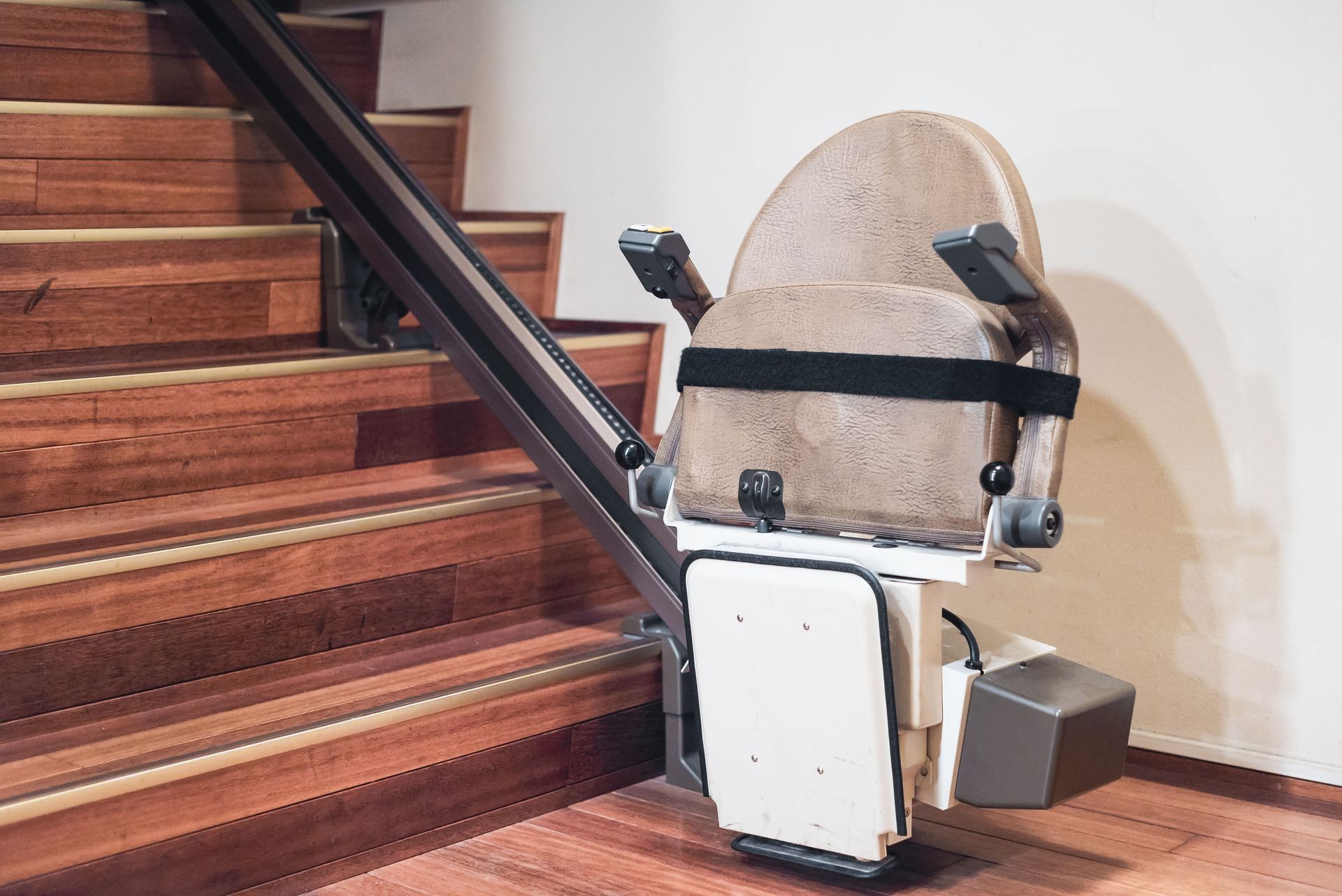
Selecting the correct brand and model is pivotal and involves careful consideration of various unique architectural factors. Clients must evaluate different types and models, including straight, curved, and outdoor lifts, each having distinct features and production timelines. Researching and comparing these options might take several days, especially for those new to these systems. Provider guidance is vital in this phase to ensure complete clarity.
Clarifying specific technical specifications allows clients to match equipment precisely with their unique physical needs and stairway dimensions. Details such as weight capacity, power sources, and track configurations are critical elements influencing the time needed to make a final choice. Given the vast variety of models, clients may require an extended duration to process available data and make informed decisions safely.
Customization features and options enhance usability and comfort but add complexity to a standard stair lift installation. Personalized selections like upholstery, color, and armrest styles allow users to match the equipment with home aesthetics, which necessitates additional production time. Finalizing the decision and ordering signal the transition from planning to implementation, which minimizes unnecessary delays and allows manufacturing preparations to begin promptly.
Complete the Necessary Home Preparations
Preparing the immediate staircase area is a preparatory step crucial to ensuring a smooth track setup. This involves clearing the area of any potential obstructions and making any necessary physical arrangements for larger furniture pieces. Depending on the household, this task could range from a few hours to several days. Ensuring the staircase is clear and safe saves time on the actual day.
Structural modifications are vital components when integrating equipment, especially for bespoke designs. Certain homes may require structural adjustments to accommodate support structures or electrical systems fundamental to continuous system operation. These modifications require professional assessment, often extending the timeline due to planning and approval phases. Construction tasks must be completed compliant with safety regulations, shielding operation from future mechanical complications completely.
Utility checks and standard safety measures form another integral preparation phase needed before a team arrives at the home. This involves checking electrical outlets, circuit breakers, and safety shutoff systems to ensure compatibility with power requirements. Coordinating with other home improvement projects can either expedite or delay a stair lift installation. Strategic planning promotes harmony between projects, avoiding overlaps and optimizing timelines.
Execute the Final System Setup
The active process commences with the delivery and unpacking of the heavy mechanical components at the residence. Delivery schedules are often contingent upon supplier lead times and logistics arrangements. Typically, receiving and unpacking the system involves allocating part of the day, depending on its size and complexity. Efficient transport management minimizes logistical setbacks, ensuring a ready setup for the arrival of skilled technicians.
Fitting rails and mechanics involve precise layout coordination of various components to ensure smooth operation. A stair lift installation is a meticulous process, taking several hours to complete properly. The alignment of railings and motor parts is critical to guaranteeing safe, efficient, and noiseless performance. Skilled professionals rely on thorough setup guides and procedural consistency to uphold overall service quality throughout the process.
Completing electrical connections is a vital part of the process, requiring adherence to safety standards and energy requirements. Technicians complete electrical work adeptly to integrate power solutions with existing home infrastructure. Ensuring proper wiring prevents potential hazards or system faults, reaffirming client trust. Meticulous attention given to electrical work secures core functionality while aligning with stringent safety protocols to finalize assembly.
Manage Long-Term Care and Adjustments
Quality assurance and testing ensure that the mechanical system operates optimally under all expected conditions. Technicians conduct rigorous tests following the physical setup, verifying all mechanical and electrical aspects adhere to predetermined specifications. Testing spans a few hours, examining performance metrics, safety stops, and speed adjustments. This comprehensive testing phase is absolutely integral to validating the process before a final handover is completed.
Cleanup and thorough debriefing of homeowners are the final components of the immediate on-site phase. Technicians often allocate time following testing for these activities, ensuring the area is restored to its original condition. During debriefing, clients receive detailed instructions on system operation, emphasizing controls and emergency procedures. Proactively addressing customer queries stabilizes post-installation rapport, reinforcing consumer confidence in product and service performance.
Arranging future maintenance is an important consideration that extends beyond completion, ensuring continued functionality over a long time. Scheduling regular service intervals both secures optimal performance and identifies potential issues prior to escalation. Warranties and aftercare services provide a safety net for clients, covering unforeseen operational hitches. Providers typically acquaint clients with terms, durations, and entitlements, ensuring complete clarity for the homeowner.
The timeline for an installation involves multiple phases, each impacting the overall project schedule. While a standard stair lift installation might be completed within a day, several external factors including customization needs, structural modifications, and supplier logistics can extend this period. Understanding and preparing for these variables helps ensure a smooth and efficient process throughout your home environment.
By being informed and proactive, homeowners can mitigate potential delays and enjoy seamless integration of a new accessibility system into their home environment. A successful
stair lift installation enhances mobility, elevates independence, and underscores a commitment to future-proof accessibility. To begin transforming your living space today, let us welcome you to explore our solutions at Mobility Driven as we help secure your long-term comfort and independence.