June 11, 2026
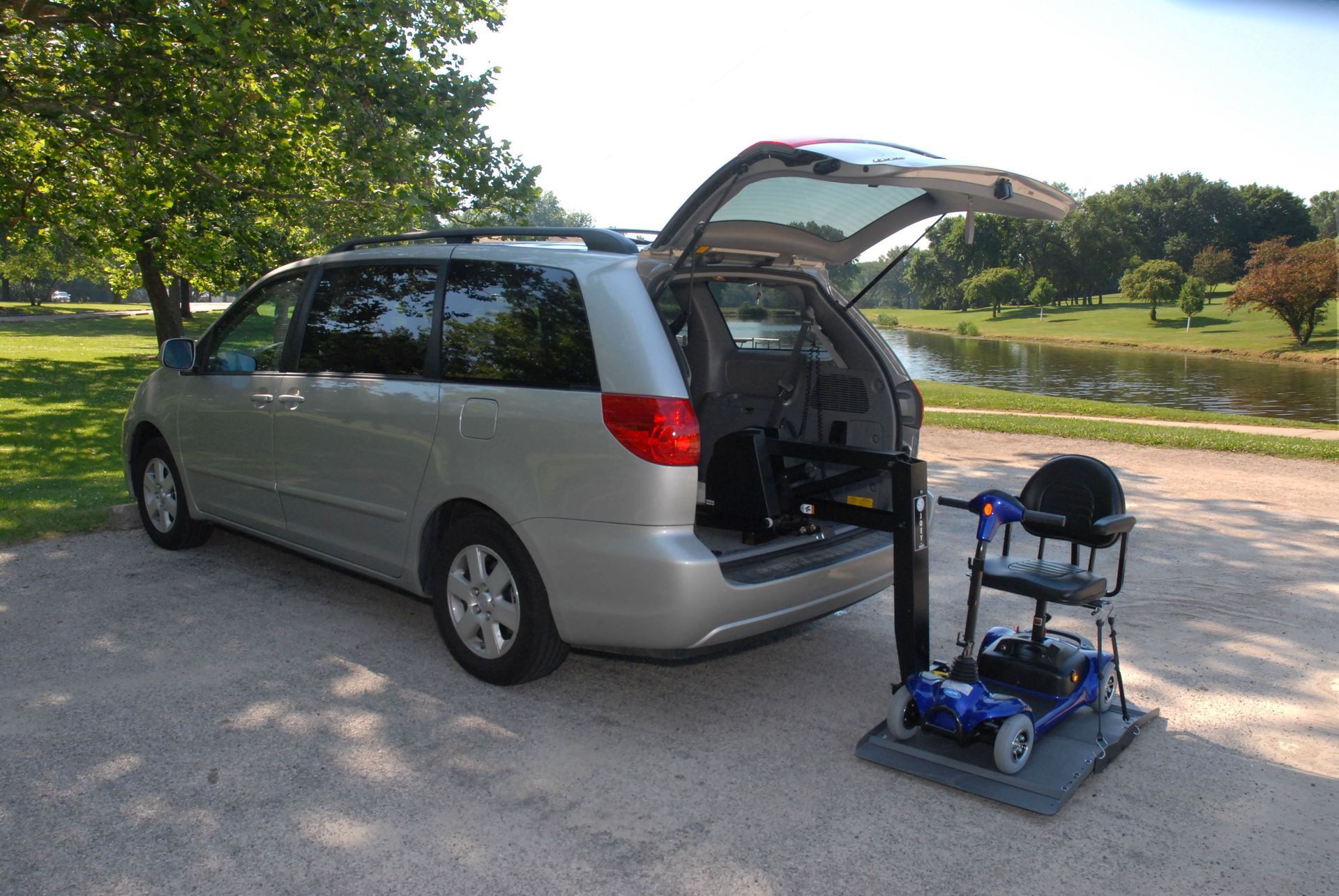
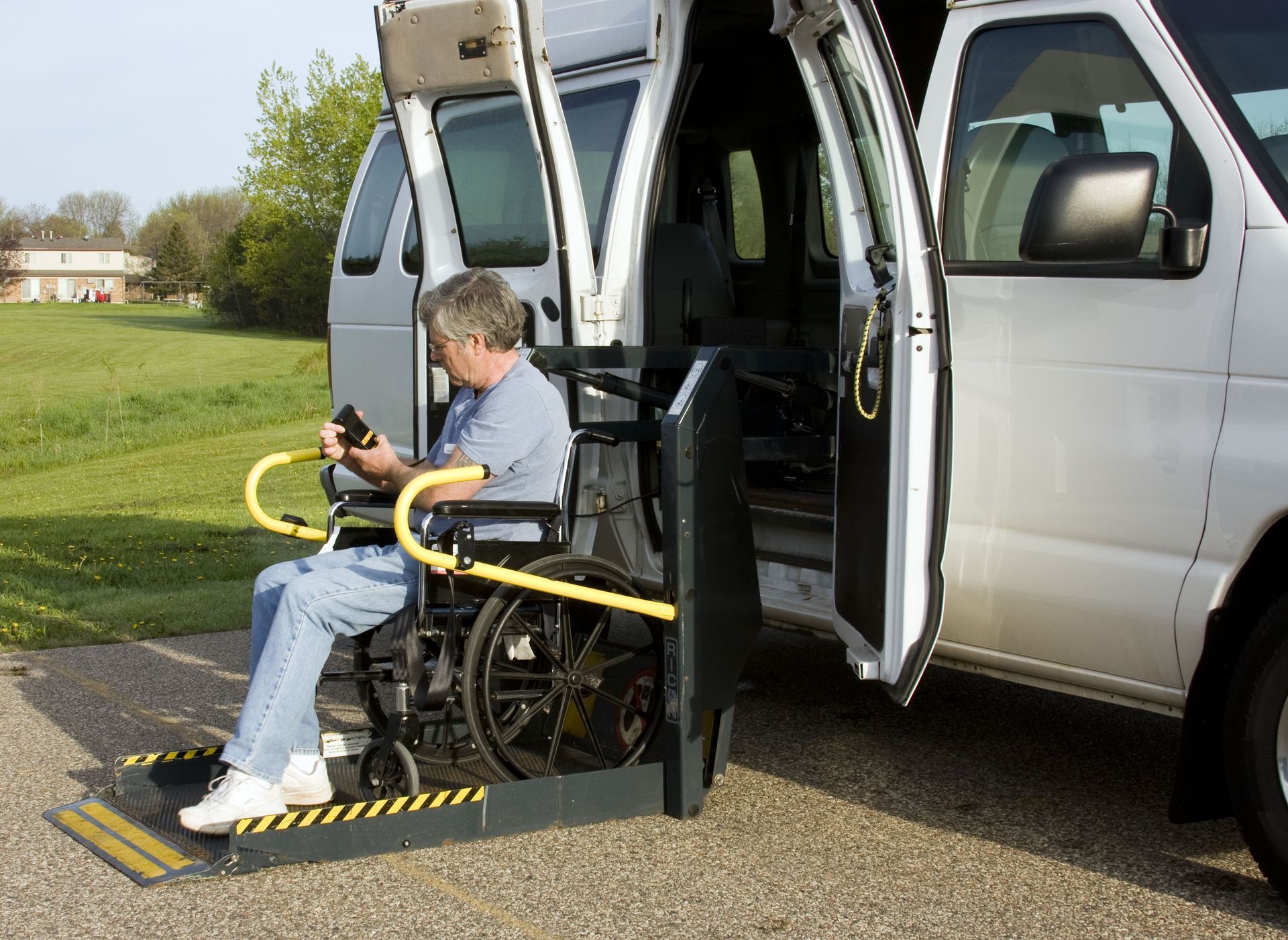
Regular maintenance of car wheelchair lifts is crucial to ensuring safety and reliability. These devices provide essential mobility solutions for people with disabilities, granting them increased independence and access. Without proper upkeep, the functionality of these lifts can be compromised, leading to potential safety hazards. A well-maintained wheelchair lift not only enhances safety but also prolongs the lifespan of the equipment. As the global wheelchair lift market is expected to generate revenues of around $2.6 billion by 2023, according to Arizton, maintaining these devices is more important than ever.
Inspection and Cleaning
The first step in maintaining a car wheelchair lift is conducting regular inspections. Visual inspections allow owners to identify any visible damage or potential issues before they become major problems. These inspections should include a check of all visible components for any signs of wear and tear, such as cracks, bends, or corrosion. Routine inspections are vital as they serve as the first line of defense in preventing lift malfunctions. Establishing a regular schedule for these inspections ensures that potential problems are caught and addressed promptly.
Cleaning car wheelchair lifts is another essential maintenance task that should not be overlooked. Depending on the materials used in a lift's construction, different cleaning methods and products may be necessary. For metal parts, a gentle cleaner that prevents rust and corrosion is ideal. For any fabric components, specialized cleaners that do not degrade the material should be used. Regularly cleaning the lift not only keeps it aesthetically pleasing but also prevents buildup that could interfere with its operation.
Lubrication and Mechanical Checks
Lubrication is critical to ensure the smooth operation of the wheelchair lift's mechanical parts. Applying the right type of lubricant can reduce friction and prevent parts from wearing out prematurely. Specific lubricants are designed for use in wheelchair lifts, providing protection against moisture that could lead to corrosion. Regular lubrication helps maintain the lift's performance and extends the lifespan of its components. Without adequate lubrication, parts can seize up, leading to expensive repairs or replacements.
When performing lubrication, it's essential to follow proper steps to avoid over-application or missed areas. It involves cleaning the parts first, then applying the lubricant evenly across all moving sections. Special attention should be paid to gears, joints, and moving rails that experience the most friction. Consistently lubricating these areas ensures optimal performance and prevents the lift from becoming noisy or difficult to operate. Furthermore, frequent application of lubricants helps in spotting any irregularities during the application process itself.
Electrical System Maintenance
c
The electrical components of car wheelchair lifts are just as important as its mechanical parts. A thorough understanding of these components helps in diagnosing and resolving potential issues. Key electrical parts include the control panel, motor, and wiring that connect the lift to the vehicle's power system. Routine checks of these components ensure they are in working order and that no frayed wires or faulty connections are present. Regular maintenance of the electrical system can prevent malfunctions that might lead to lift failures.
Battery maintenance is a critical aspect of the lift's electrical system upkeep. Ensuring the battery is charged and functioning efficiently prevents disruptions in mobility for users. Replacing the battery according to the manufacturer’s recommendations keeps the lift reliable and ready for use. In addition to batteries, periodically checking and replacing wiring can prevent electrical fires or short circuits. Ensuring safe connections with the vehicle’s power system is vital for both the safety and reliability of the wheelchair lift.
Common electrical issues in car wheelchair lifts can include poor connections, power surges, or malfunctioning circuits. Troubleshooting these issues requires familiarity with the lift's electrical schematics and potentially the assistance of a professional technician. Proactively addressing electrical concerns minimizes downtime and ensures safety. Documenting electrical inspection results can be useful for future reference and provides insight into any developing issues. Regular attention to the lift's electrical conditions ensures its reliable performance for those who depend on it.
Safety Features and Emergency Procedures
Safety sensors play a crucial role in car wheelchair lifts and their operation, preventing accidents and ensuring user safety. Regular testing of these sensors ensures they are functioning correctly and providing necessary feedback during lift operation. Any faults in these sensors can lead to dangerous situations, so it is important that they are part of every maintenance routine. In addition, maintaining handrails and restraints provides users with additional security and stability. Regular checks ensure these safety features remain in top condition and ready for use.
Emergency procedures should be firmly understood by all who operate the wheelchair lift. Training in emergency operations consists of understanding what to do in the event of an electrical or mechanical failure. Ensuring that these procedures are well established can prevent panic and ensure the safety of the lift’s users. Regular drills or reviews of the emergency operation features help maintain operator readiness. Effective preparation involves inspecting safety labels and warnings to ensure they are visible and understandable.
Scheduled Professional Servicing
Finding a qualified service technician is vital for thorough car wheelchair lift maintenance. Professional servicing complements routine owner checks with expert insights and advanced diagnostic tools. Technicians have specialized training and knowledge to identify and repair issues that might be overlooked by the layperson. Regular professional checks can prevent major breakdowns by diagnosing and addressing minor issues before they develop. Additionally, professional servicing is often required to keep warranty and service agreement terms valid.
Understanding the warranty and service agreements for car wheelchair lifts ensures coverage when mechanical failures occur. These documents outline what maintenance is required and what repairs the manufacturer will cover. Reading and adhering to these terms helps in reducing unexpected out-of-pocket expenses. Scheduled professional services according to the manufacturer's recommendations can also increase the resale value of the lift. Documenting each service also establishes a history that can aid in future troubleshooting and maintenance planning.
Regular professional servicing offers numerous advantages, including increased lifespan and reliability of the wheelchair lift. The frequency of professional checks depends on usage and manufacturer recommendations, but it is typically advised at least once a year. By documenting service history, owners maintain a comprehensive overview of all performed maintenance and repairs. This documentation can be invaluable for diagnosing recurring issues or for warranty claims. Ensuring that maintenance is professionally managed helps achieve the balance between regular use and operational readiness.
Owner’s Manual and Manufacturer Guidelines
Following the owner’s manual is one of the most effective ways to ensure proper maintenance of car wheelchair lifts. The manual provides specific instructions and recommendations that are tailored to the specific model and its requirements. It includes guidance on routine maintenance schedules, troubleshooting common issues, and detailed operational instructions. Adhering to these guidelines ensures that the lift remains in optimal condition and operates safely. Owners should always refer to the manual when performing any maintenance activities to avoid invalidating the warranty.
Manufacturers often provide additional resources and support services for their products. Accessing manufacturer support can prove invaluable when encountering issues that are not covered in the owner’s manual. This could include accessing technical support, downloading updated parts lists, or obtaining recall notifications. Staying informed about updates and recalls is crucial for safety and compliance with any new safety regulations. Owners should periodically check the manufacturer’s website or contact their support services to stay informed of any pertinent updates.
Regular maintenance of car wheelchair lifts is essential to ensure longevity, safety, and optimal performance. Adopting a routine schedule for inspections, cleaning, and servicing can prevent many common issues, thus reducing the risk of unexpected breakdowns. By adhering to the guidelines presented in this article, owners can significantly extend the lifespan of their car wheelchair lifts. The global wheelchair lift market, valued for its essential role in promoting mobility, emphasizes the importance of reliable and well-maintained systems. Ultimately, diligent upkeep contributes not only to the safe operation of the lift but also enhances the independence and quality of life of its users.