October 2, 2026
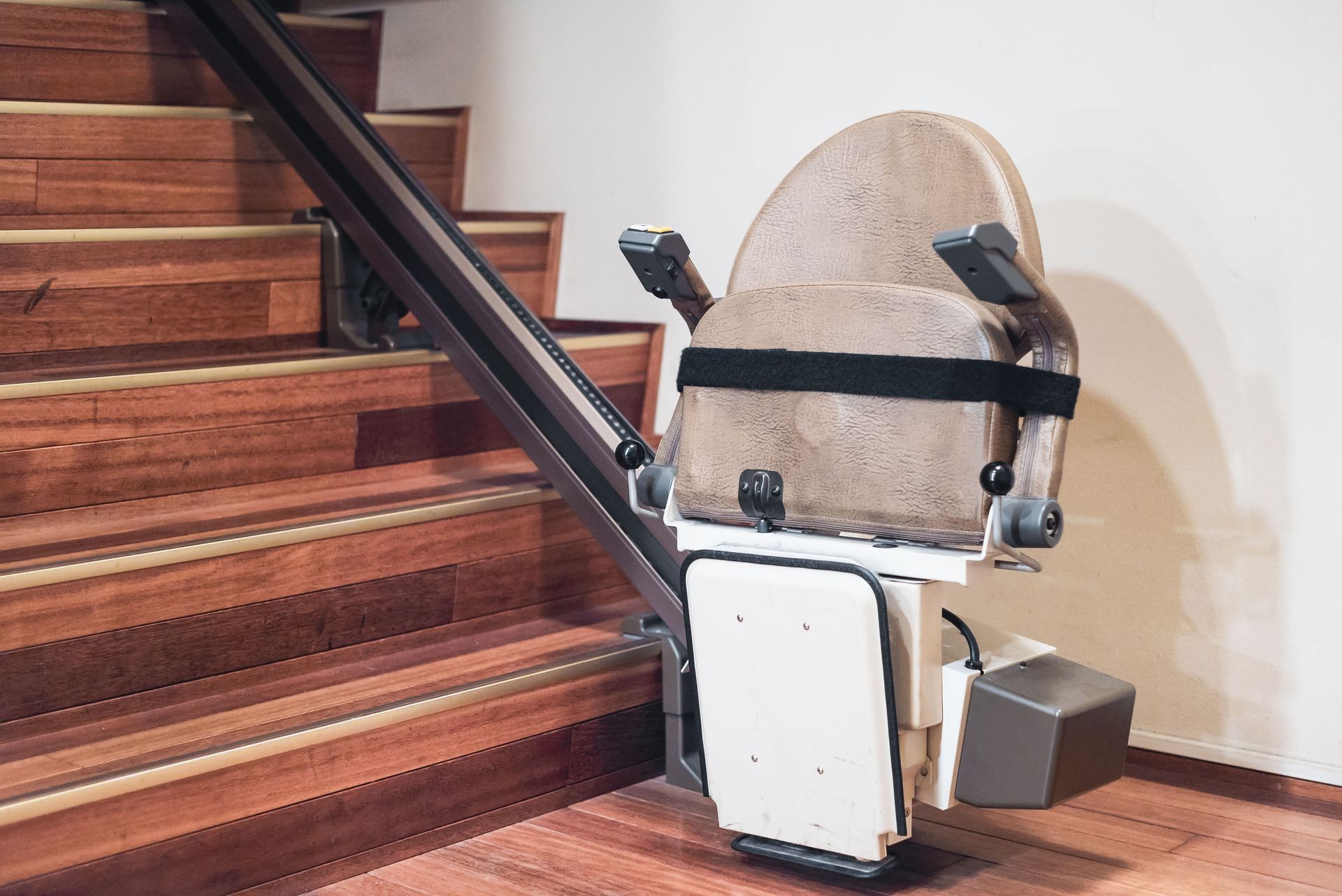
Mobility within the home can have a significant effect on independence, comfort, and quality of life. For people who experience difficulty climbing stairs, a multilevel home may gradually become harder to navigate. Bedrooms, bathrooms, laundry areas, and other essential spaces can feel less accessible when reaching them requires climbing a staircase. A home stair lift can address this challenge by providing a practical way to move between levels while allowing residents to continue using more of their homes.
Improving residential accessibility is also becoming increasingly relevant as homeowners think about aging in place, changing mobility needs, and long-term comfort. Rather than viewing accessibility equipment as something needed only after mobility becomes severely limited, families can consider how thoughtful modifications may support independence earlier. The right equipment can help make a familiar home more accommodating without requiring residents to abandon spaces they value.
Improving Access Throughout the Home
Stairs can become a significant barrier when a person experiences reduced strength, balance concerns, joint discomfort, or other mobility limitations. A home stair lift allows an individual to travel between floors while minimizing the physical demands associated with repeatedly climbing steps. This can make important areas of the house easier to reach throughout the day.
Improved access can also help residents use their homes more naturally. Someone who has begun avoiding an upstairs bedroom or downstairs living area because of the staircase may gradually restrict daily life to a single level. When movement between floors becomes easier, the home can once again function as a connected living environment rather than a collection of spaces separated by a difficult obstacle.
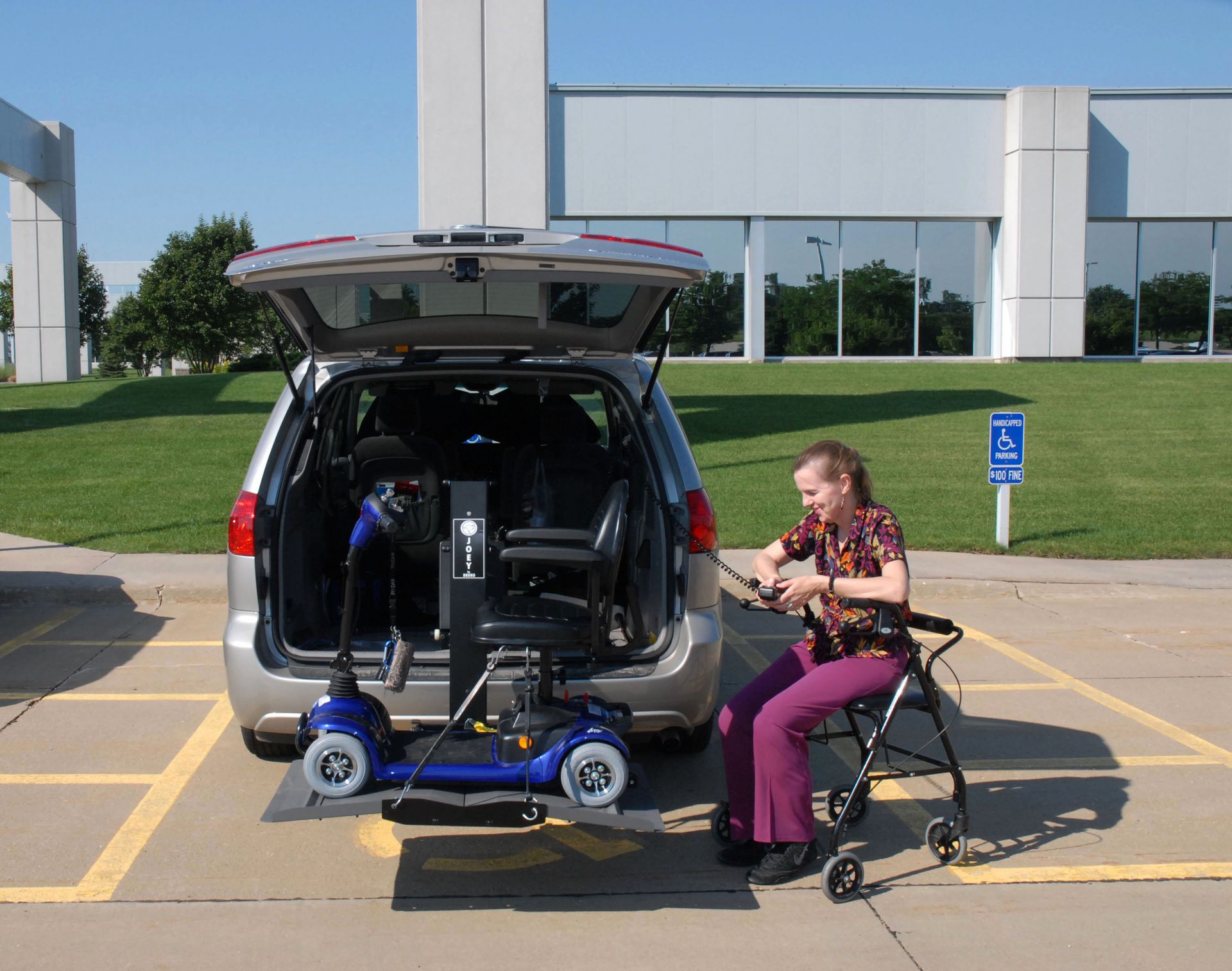
Residential accessibility equipment remains relatively uncommon despite its potential usefulness. According to AARP, a ramp is available in only 5 percent of households, while a mere 1 percent are equipped with any type of stair lift. Expanding awareness of mobility solutions may help more households recognize that accessibility improvements can support everyday independence.
Supporting Independence Throughout Daily Life
Maintaining independence often means being able to complete ordinary routines without unnecessary assistance. When stairs become difficult, residents may need to rely on family members or caregivers simply to reach another floor. A home stair lift can reduce this dependency by moving to levels more manageable.
This independence can influence many aspects of daily life. A resident may be able to reach clothing stored upstairs, access a preferred bathroom, spend time in a family room, or move between sleeping and living areas with greater confidence. These activities may seem routine, but maintaining control over them can be meaningful for someone whose mobility has changed.
Family members may also appreciate knowing that their loved one has an accessibility solution designed specifically for stair travel. Although mobility equipment does not eliminate every potential concern within a home, it can address one of the most obvious physical barriers in a multilevel property and support greater autonomy.
Reducing Strain Throughout Stair Travel
Climbing stairs requires strength, coordination, balance, and endurance. For someone experiencing mobility limitations, those physical demands may make repeated stair use tiring or uncomfortable. A home stair lift provides an alternative that can reduce the need for physically demanding movement between floors.
Reducing strain can be particularly valuable when a person needs to access different levels several times throughout the day. Avoiding a difficult staircase altogether may not be practical when essential rooms are distributed across the home. Providing another means of travel allows residents to conserve energy for other activities that matter to them.
A professional mobility assessment can help determine what type of equipment is appropriate for the staircase and the individual who will use it. Stair configurations, available space, user needs, and other factors can influence which solution makes sense. Professional guidance helps ensure that accessibility decisions are based on the actual environment rather than assumptions.
Increasing Confidence Throughout the Home
Mobility is not only about whether a person can physically reach a destination. Confidence also affects how freely someone moves through a home. A resident who worries about navigating the stairs may begin limiting trips between floors even before the staircase becomes completely inaccessible.
Installing a home stair lift can provide an alternative that may help residents feel more comfortable using multiple levels. Knowing that stair travel does not depend entirely on climbing each step can remove an important source of hesitation from everyday routines.
Greater confidence may also encourage residents to continue participating in household activities taking place on different floors. Rather than asking others to retrieve items or avoiding certain rooms, they can maintain more direct access to the spaces that form part of their normal lives. This can help preserve a stronger sense of connection to the entire household.
Preserving Comfort Throughout Familiar Spaces
A home often carries emotional significance beyond its practical function. Residents may have established routines, favorite rooms, nearby relationships, and meaningful memories connected to the property. When mobility changes, the possibility of leaving that familiar environment can be difficult to consider.
A home stair lift can be part of a broader effort to make an existing residence more accommodating. If the staircase is one of the primary obstacles to moving comfortably throughout the property, addressing it may allow residents to continue enjoying spaces that would otherwise become increasingly difficult to reach.
Accessibility improvements can also support households whose needs evolve. Instead of waiting until certain rooms are effectively unusable, homeowners can consider mobility modifications as part of long-term planning. This perspective treats accessibility as an element of comfortable residential design rather than simply a response to an immediate limitation.
Adapting Solutions Throughout Different Staircases
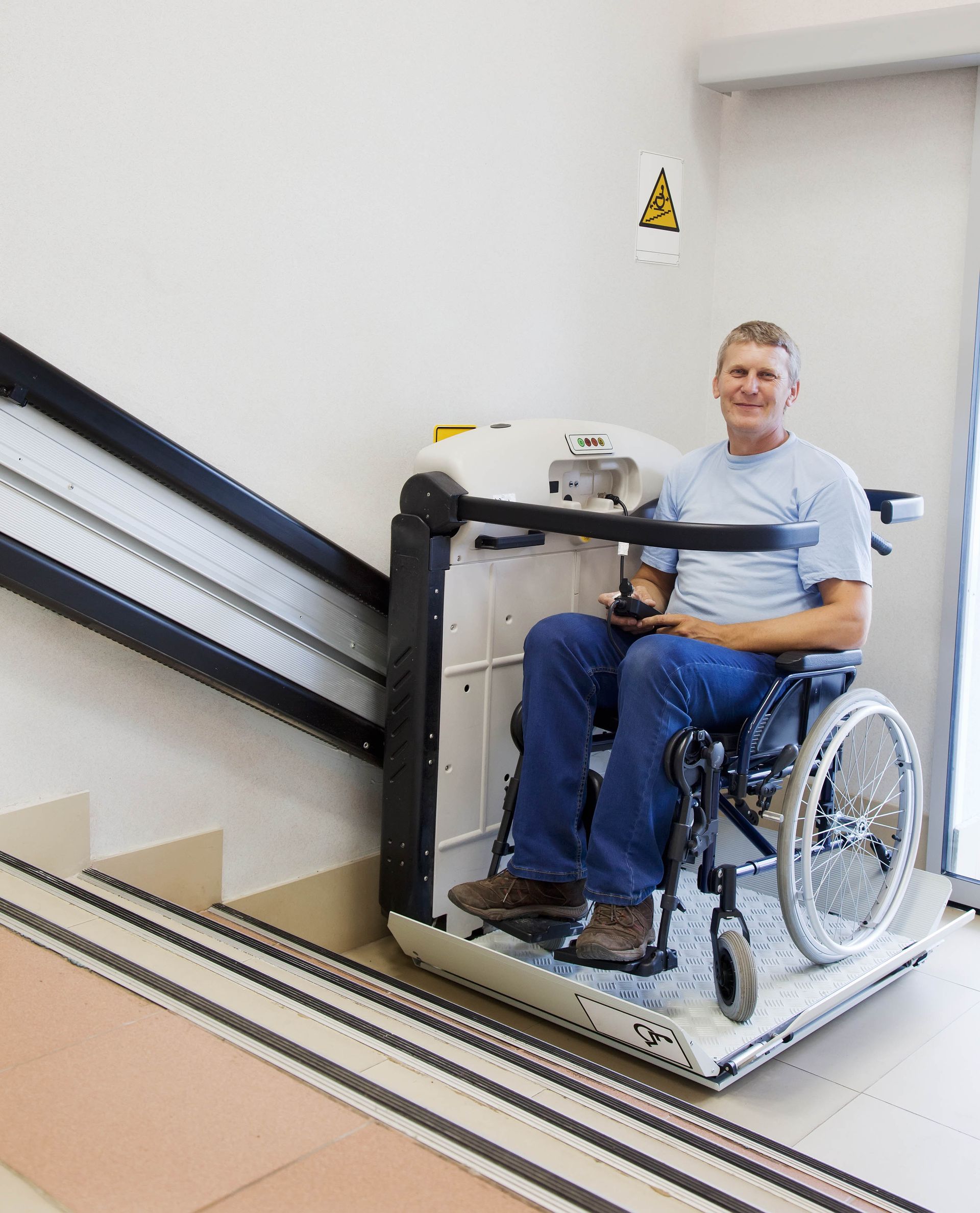
Homes are designed with many different staircase configurations, so mobility solutions cannot always take a single standardized form. Straight stairways, curved configurations, landings, available clearance, and surrounding architectural features can all affect what equipment is appropriate.
Professional providers can evaluate these characteristics before recommending a home stair lift. This assessment can help identify solutions that correspond with the home’s layout as well as the user’s mobility requirements. Careful evaluation is important because the equipment needs to work within a space that may not originally have been designed with accessibility features in mind.
Professional assistance also allows homeowners to discuss operation, comfort, maintenance expectations, and other practical considerations. Understanding how a mobility product fits into everyday life can make it easier to select an option that supports both immediate and longer-term needs.
Encouraging Planning Throughout Changing Needs
Mobility changes do not always happen suddenly. In many cases, stairs gradually become more difficult as strength, balance, endurance, or comfort changes. Recognizing those challenges early can give households more time to consider appropriate accessibility options without feeling pressured into making a rushed decision.
A home stair lift can be considered as part of proactive planning for a residence. Families can evaluate which areas may become challenging and determine whether modifications could help the home remain functional as circumstances change. This approach allows accessibility to become part of a thoughtful conversation about future comfort.
Planning also creates time to compare available equipment, discuss individual preferences, and receive professional recommendations. Mobility needs are personal, and a solution that works well for one household may not be appropriate for another. Individual assessment remains an important part of choosing suitable equipment.
Enhancing Mobility Throughout the Years
Creating an accessible home can help residents preserve independence while continuing to enjoy familiar surroundings. When a staircase becomes physically demanding, it can affect far more than movement between floors. It may change routines, restrict access to important rooms, increase reliance on others, and reduce confidence within the home.
A home stair lift offers a practical way to address this particular mobility barrier. By making multiple levels more accessible, the equipment can support comfort, independence, and continued use of the home. Professional evaluation can help residents and families understand their options and select equipment that fits both the staircase and the user’s needs.
If changing mobility is making your staircase more difficult to navigate, Mobility Driven can help you explore appropriate accessibility solutions. We can evaluate your needs, discuss available options, and help you determine what may work well within your home. Contact us to learn more about our mobility solutions and how we can support greater accessibility and comfort in your living space.