October 8, 2026
Caring for a family member or loved one with limited mobility is one of the most noble, selfless roles a person can undertake. Yet, it is also one of the most physically and emotionally taxing. Every daily routine, from morning medical appointments to afternoon grocery runs, requires meticulous planning, physical stamina, and unending patience. Among these daily tasks, few generate as much hidden strain as loading, transporting, and unloading heavy mobility equipment.
Navigating the Heavy Physical Toll of Daily Transportation
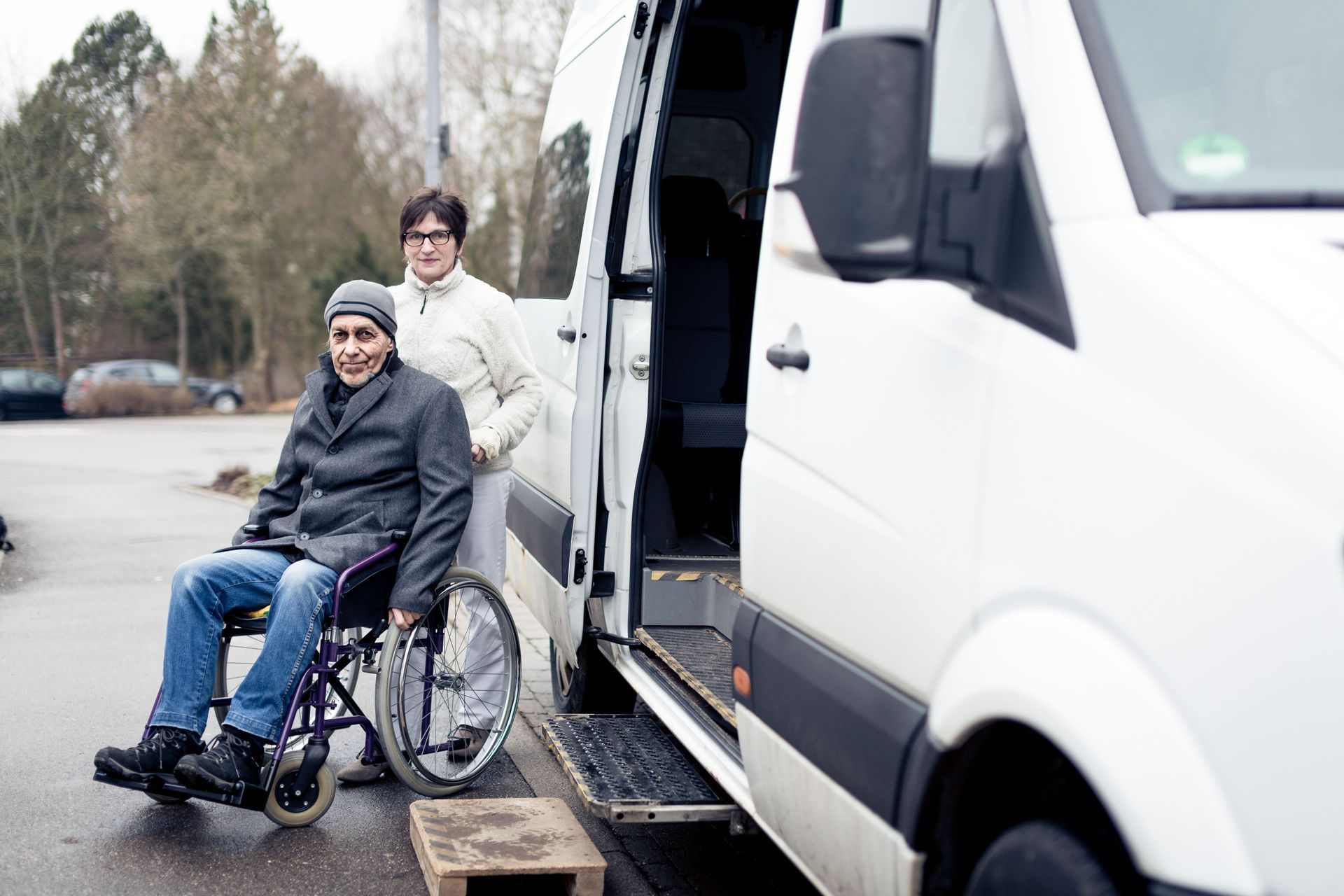
For many family members, getting a loved one out of the house requires manually lifting power chairs, heavy manual wheelchairs, or motorized scooters into the trunk or backseat of an unmodified vehicle. Over time, this repeated lifting takes a massive, cumulative toll on the human body. What begins as mild back soreness or morning stiffness can quickly escalate into severe muscular strains, chronic joint injury, and overwhelming exhaustion.
When transportation becomes a physical ordeal, a subtle shift occurs: outings are minimized, spontaneous trips are canceled, and both the caregiver and the care recipient begin to feel isolated. Addressing this physical bottleneck is critical not only for maintaining caregiver health but also for preserving the independence and emotional well-being of the person receiving care.
Understanding the Magnitude of Travel-Limiting Disabilities
Transportation challenges are far more widespread than many realize until they experience them firsthand. Travel limitations affect millions of households across the nation, creating an urgent need for safe, accessible vehicle modifications.
According to the Bureau of Transportation Statistics, 25.5 million Americans age 5 and older have self-reported travel-limiting disabilities. This statistic underscores a profound reality: tens of millions of individuals rely on family caregivers, friends, and mobility equipment to participate in public life, attend medical visits, and stay connected with their communities. Behind every individual facing a travel barrier is often a dedicated caregiver striving to make mobility possible.
Without specialized assistance, bridging this gap places the entire physical burden directly onto the caregiver's shoulders. To make transportation safe and sustainable for everyone involved, modern vehicle adaptations must move away from manual labor and toward automated solutions.
Modernizing Mobility With Car Wheelchair Platforms
Automated equipment offers a powerful remedy to the physical strain of transport. By integrating specialized lifting mechanisms onto a standard vehicle, caregivers can eliminate manual heavy lifting entirely. Among these innovations, car wheelchair platforms stand out as one of the most versatile, cost-effective, and practical solutions available today.
Understanding Exterior Hitch-Mounted Platform Systems
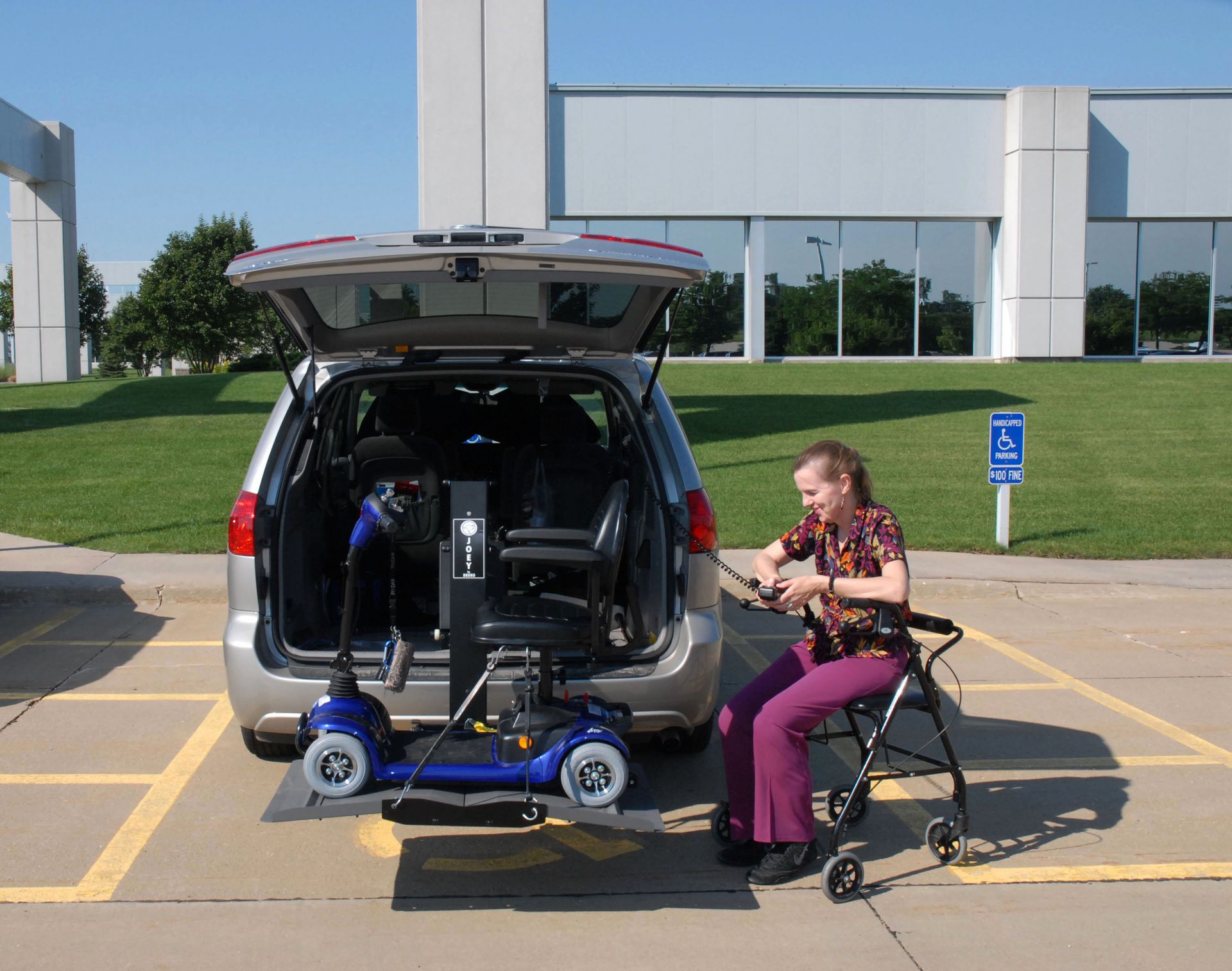
Exterior hitch-mounted car wheelchair platforms attach directly to a vehicle's standard trailer hitch receiver, positioning the platform behind the rear bumper. Operating via a simple electronic control or remote switch, the platform lowers smoothly to ground level.
Once the platform is resting flat on the pavement, the wheelchair or scooter is simply rolled onto the base. The caregiver secures the mobility device using integrated tie-down straps or an automated hold-down arm, presses a button, and watches as the electric motor lifts the equipment into the transport position. Because the entire load remains outside the vehicle cabin, this system preserves all interior seating and cargo space while requiring zero lifting from the driver.
Exploring Interior Hoist and Platform Modifications
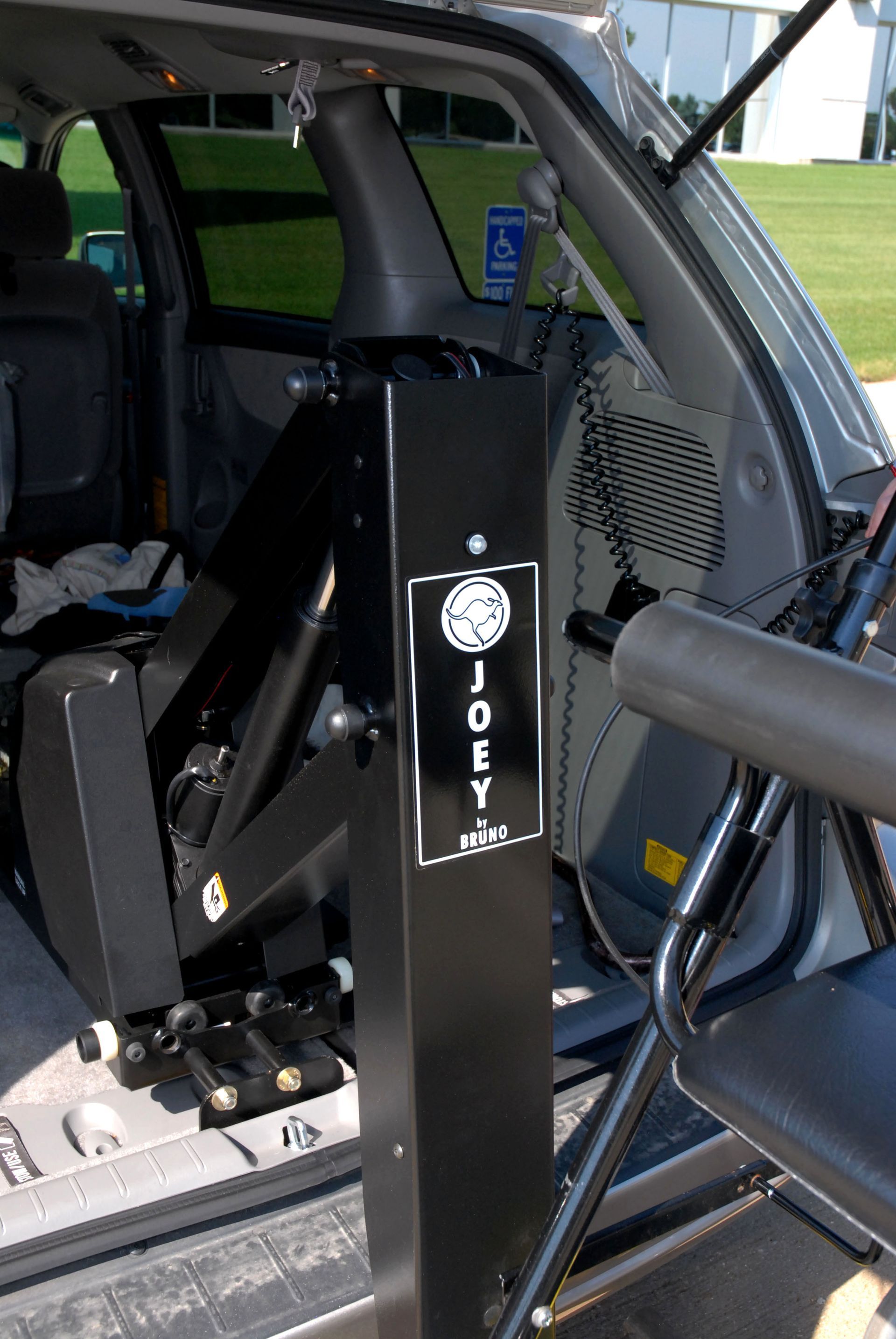
For individuals who prefer to keep their expensive power chairs protected from highway debris and inclement weather, interior platform systems offer an ideal alternative. Mounted inside the cargo area of an SUV, minivan, or crossover, these specialized car wheelchair platforms extend outward and lower to the ground behind the tailgate.
After the wheelchair is positioned on the tray, the powered platform lifts the chair automatically and glides it smoothly into the vehicle's interior cargo hold. While this configuration consumes some rear cargo room, it offers complete weather protection and security for high-end electric wheelchairs, all while keeping the caregiver's physical effort to an absolute minimum.
Five Key Ways Automated Systems Eliminate Caregiver Fatigue
Integrating automated vehicle adaptations transforms the entire caregiving experience. By shifting the workload from human muscle to reliable mechanical power, automated platforms deliver sweeping improvements to daily life.
Protecting Caregivers From Chronic Musculoskeletal Injury
Lifting a mobility device, which can weigh anywhere from 50 pounds for a basic foldable chair to over 300 pounds for a heavy-duty power chair, forces the spine into unsafe rotational angles. Over time, repeating this movement multiple times a day leads to rotator cuff tears, a herniated lumbar disc, and severe joint degradation.
By replacing manual lifting with motor-driven car wheelchair platforms, the caregiver's role changes from heavy manual laborer to supervisor operating an automated switch. Eliminating spinal loads prevents catastrophic work-type injuries, keeping caregivers healthy, active, and able to fulfill their support roles safely.
Streamlining Daily Schedules and Reducing Loading Time
Attempting to disassemble, fold, lift, stow, and reassemble a complex mobility device turns a quick ten-minute drive into an exhausting forty-five-minute ordeal. Caregivers often report feeling exhausted before they even leave their driveway.
Modern platform equipment streamlines loading into a fast, push-button process that takes less than three minutes from start to finish. Roll the device onto the ramp, secure the locking mechanism, and press the lift switch. Reclaiming this wasted time reduces daily friction, eliminates scheduling stress, and keeps appointments running on time.
Preserving Vital Interior Passenger Space and Comfort
In unmodified passenger cars, storing a wheelchair inside the cabin usually requires occupying rear passenger seats or completely cluttering the trunk space. This layout limits room for additional family members, groceries, luggage, or medical supplies.
Because exterior car wheelchair platforms carry mobility devices outside the vehicle's cabin, every interior seat remains available for human passengers. Family outings no longer require taking two separate cars or leaving luggage behind, allowing the whole family to travel together in comfort.
Restoring Spontaneity and Reducing Emotional Travel Anxiety
When transporting a loved one demands immense physical effort, caregivers naturally start avoiding non-essential trips. Over time, spontaneous outings, like grabbing a coffee, visiting a local park, or dropping by a friend's house, fade away due to the sheer effort involved.
Automated equipment removes this barrier to entry. When loading a power chair is as simple as pressing a button, the emotional anxiety surrounding travel vanishes. Caregivers can comfortably say "yes" to last-minute invites, restoring freedom and social connection for the entire household.
Promoting Long-Term Independence for Care Recipients
Care recipients are deeply attuned to the physical strain their caregivers experience. Many individuals with disabilities report feeling guilty or hesitant to request outings when they know it will cause their spouse or child physical pain.
Equipping a family vehicle with high-quality car wheelchair platforms transforms this dynamic completely. Care recipients gain total peace of mind knowing their mobility equipment can be loaded effortlessly, without causing physical strain to their loved ones. This shared ease fosters greater dignity, autonomy, and joy during everyday travel.
Reclaiming Freedom With the Right Mobility Partner
Caregiving should be defined by love, connection, and shared experiences, not by physical exhaustion, back pain, or missed opportunities. Investing in automated mobility solutions transforms travel from a stressful ordeal into a smooth, effortless routine. By taking the physical strain out of loading heavy power chairs and scooters, families can protect their physical health, eliminate daily burnout, and explore the open road with complete confidence.
When you are ready to reclaim your independence and simplify daily travel, partnering with an experienced automotive mobility specialist is the best first step. The expert team at Mobility Driven specializes in helping individuals and caregivers find, install, and maintain the perfect car wheelchair platforms, hand controls, and adaptive equipment for their unique lifestyles. Contact Mobility Driven today to schedule a personalized consultation and explore custom mobility solutions tailored specifically for your vehicle.