August 6, 2026
Navigating the complex landscape of mobility aids can feel overwhelming, especially when you are preparing to make a significant investment in a car wheelchair lift. This essential device can dramatically improve the quality of life for individuals with mobility impairments, fostering independence, spontaneity, and ease of transportation. Because this purchase directly impacts your daily routine and safety, understanding the nuances of various models is absolutely critical before finalizing your decision.
The market for mobility solutions has evolved significantly, offering a wide array of designs that cater to specific vehicle types and physical needs. Making an informed choice ensures that your equipment is safe, reliable, and provides long-term satisfaction. In this comprehensive guide, we will explore the different styles of lifts available, examine compatibility considerations, assess personal requirements, and discuss the technical and safety features that truly matter. Our goal is to equip you with the knowledge necessary to move forward with confidence and clarity.
Understanding Wheelchair Lift Types
When you start searching for a car wheelchair lift, you quickly realize that design, function, and installation requirements vary greatly between models.
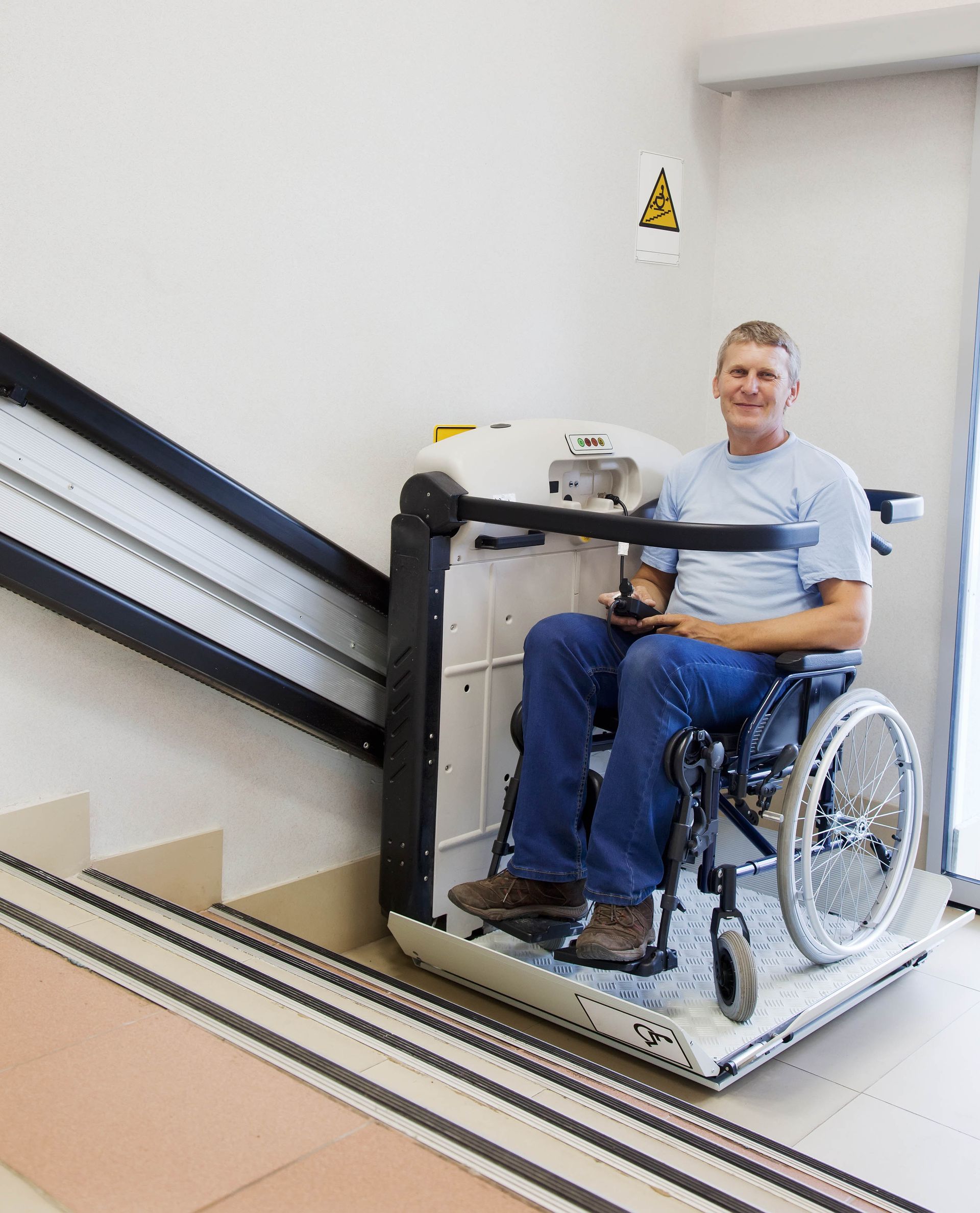
Platform Lifts: Platform lifts are an excellent choice for individuals who require a stable, robust mechanism to transport their chairs. These lifts feature a flat platform that raises the wheelchair alongside the user, offering exceptional ease of use. They are particularly advantageous for those who remain seated in their wheelchairs during car travel, as the platform acts as a bridge. However, because they are substantial, they usually require more cargo space, which may limit their application in smaller, compact vehicles. Balancing your vehicle’s size constraints with your need for a stable transfer is the primary challenge here. The design focuses heavily on safety, utilizing heavy-duty components that ensure a secure, smooth transfer, but you must account for the added weight and potential structural modifications required for installation.
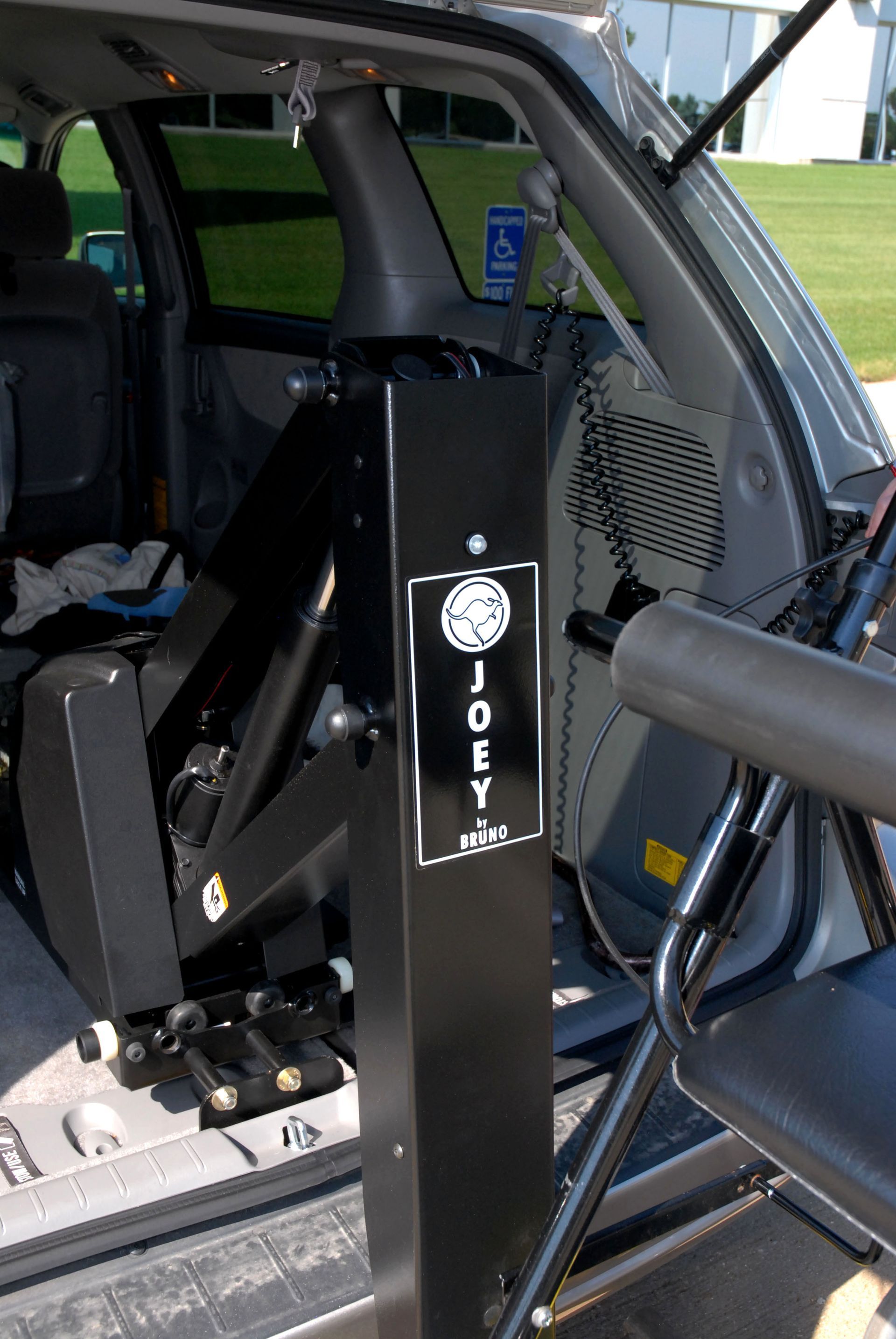
Hoist Lifts: Hoist lifts are another common car wheelchair lift style, known for their incredible versatility and adaptability. These devices use a mechanical arm to lift and store an unoccupied wheelchair into the trunk or rear storage area. This system is ideal for users who do not require their chair while inside the vehicle and prefer a discreet solution that keeps the interior cabin space clear. Hoist lifts work well across a variety of vehicle sizes, from sedans to full-size vans. However, they may not be compatible with all chair models, making it essential to verify the specific arm reach and weight limits before purchasing.
Hybrid Lifts: Hybrid versions of a car wheelchair lift bridge the gap between platform and hoist systems, offering a highly versatile solution for changing transportation needs. These are designed for users who may occasionally transport occupied chairs but also need the ability to stow unoccupied chairs away quickly. This adaptability makes them a popular choice for families. While they offer the best of both worlds, hybrid lifts can be more complex to install and may come at a higher price point due to their advanced engineering and multi-function capabilities.
External Lifts: External mounting for a car wheelchair lift is a practical solution for vehicles with limited interior cargo space. These lifts are mounted to the exterior of the vehicle, usually via a hitch receiver, allowing the chair to be carried on the back. This design preserves all valuable interior passenger space, making it perfect for smaller vehicles. However, users must account for the new overall vehicle dimensions, as the added length can impact parking and maneuverability. Because these systems are exposed to the elements, they require robust weatherproofing to ensure long-term durability against rain, snow, and road debris.
Choosing the Right Lift for Your Needs
Selecting the right car wheelchair lift involves a thorough assessment of your personal physical requirements, your vehicle’s specific constraints, and your daily lifestyle preferences. Every lift type offers unique advantages, whether it is the stability of a platform, the discretion of a hoist, or the space-saving benefits of an external unit.
According to the CDC, mobility impairment is most common in older adults at 26.9% and middle-aged individuals at 18.1%. This statistic underscores why selecting a lift that truly enhances daily living—rather than complicating it—is so vital. We recommend consulting with your healthcare provider or a mobility specialist to identify the features that will best assist you. You should assess how frequently you travel, the weight capacity your specific chair requires, and your comfort level with operating the equipment. Experimenting with live demonstrations can provide a firsthand understanding of how a specific model interacts with your daily routine.
Compatibility, Performance, and Installation
Before committing to any specific car wheelchair lift, you must evaluate your vehicle’s compatibility. Each vehicle has unique design parameters, including chassis weight ratings and electrical capacity, that determine which models are suitable.
Adding a lift increases the total weight load of your vehicle, which can impact fuel efficiency, braking distance, and handling dynamics. Heavier lifts might necessitate suspension upgrades to ensure the vehicle remains stable and safe on the road. Furthermore, professional installation is non-negotiable. Qualified installers follow strict safety protocols, verifying load distribution and securing electrical connections to prevent future failure. While DIY might seem tempting to save money, professional installation ensures compliance with local vehicle modification regulations, which is often a requirement for insurance coverage and warranty protection.
If you are retrofitting an older vehicle, the challenges increase. Older cars may lack the modern electrical systems or structural reinforced points needed for contemporary lifts. However, with the right engineering and a skilled technician, it is possible to modernize a beloved older vehicle to accommodate your mobility needs, provided you conduct a proper cost-benefit analysis of the modification versus purchasing a newer, pre-compatible vehicle.
Maintenance, Durability, and Warranty Considerations
Purchasing a car wheelchair lift is a long-term investment, which makes understanding its ongoing maintenance requirements and warranty coverage a critical part of the buying process. Because these devices rely on complex electrical systems, motors, and moving mechanical joints, regular upkeep is essential to prevent unexpected breakdowns and ensure user safety.
For interior lifts, maintenance typically involves keeping the tracks clear of debris, inspecting the wiring for signs of wear, and occasionally lubricating the moving hinges. External lifts demand even more rigorous attention; because they are constantly exposed to rain, snow, dirt, and road salt, they are highly susceptible to rust and electrical corrosion. Owners of external systems should commit to regular cleanings and routinely inspect weatherproofing seals, tie-down straps, and motor covers to ensure the structural components remain intact.
Before making a final purchase, thoroughly review the manufacturer's warranty terms. A robust warranty provides peace of mind and protects you from the high costs of replacing specialized parts. Look closely at what the warranty covers—some manufacturers offer extensive coverage on the structural frame but limit coverage on the electrical components or motor to just one or two years. Additionally, find out if the warranty requires you to have the lift serviced annually by a certified technician to remain valid. Prioritizing a model with a comprehensive warranty and establishing a consistent maintenance routine will maximize the lifespan of your equipment and protect your mobility investment for years to come.
Investing in a high-quality lift is a decision that impacts your daily autonomy and quality of life. By carefully researching the types of systems available, confirming strict compatibility with your vehicle’s specifications, and prioritizing a professional installation, you can unlock a new level of freedom. A well-chosen system should blend seamlessly into your life, acting as a reliable tool for travel rather than a burden. When you are ready to explore your options and take the next step toward ultimate independence, reach out to the experts at Mobility Driven for guidance, support, and professional installation tailored to your unique lifestyle.