October 19, 2026
In an ever-evolving world, mobility remains a cornerstone of independence and equality. For individuals who require handicap vans, new technology and vehicle design are creating opportunities for safer, more comfortable, and more personalized transportation. At the same time, accessibility barriers continue to prevent many people with disabilities from traveling as freely as they would like.
According to the Bureau of Transportation Statistics, 3.6 million Americans with travel-limiting disabilities do not leave their homes because they are disabled or housebound. As transportation technology develops, handicap vans have the potential to address some of the challenges that contribute to limited mobility. Innovations in accessibility, vehicle conversion, safety, customization, and sustainability are helping shape the future of transportation.
Advancing Technology for Greater Mobility
Technology is playing an increasingly important role in the development of handicap vans. Modern vehicles can incorporate automated assistance, advanced sensors, digital navigation, and other systems designed to make transportation easier to manage. As these technologies become more refined, they may provide greater independence for drivers and passengers with a wide range of mobility needs.
Artificial intelligence and automation are particularly significant areas of development. Features such as adaptive cruise control, automated parking assistance, collision warnings, and lane-keeping systems can reduce some of the challenges associated with driving. Although fully autonomous transportation remains a developing technology, continued advances could eventually provide additional options for people who cannot operate conventional vehicles.
Improved safety technology can also make travel more comfortable. Cameras, sensors, blind-spot monitoring, and collision avoidance systems can provide drivers with additional information about their surroundings. These features are valuable for anyone on the road, but they can be especially helpful for people whose disabilities affect visibility, reaction time, or physical movement.
Navigation technology is another area with significant potential. GPS systems can provide real-time traffic information while increasingly incorporating details that help travelers identify accessible destinations and routes. Information about accessible parking, entrances, ramps, and other features can make it easier for people with disabilities to plan trips and navigate unfamiliar areas.
New Possibilities in Vehicle Conversions
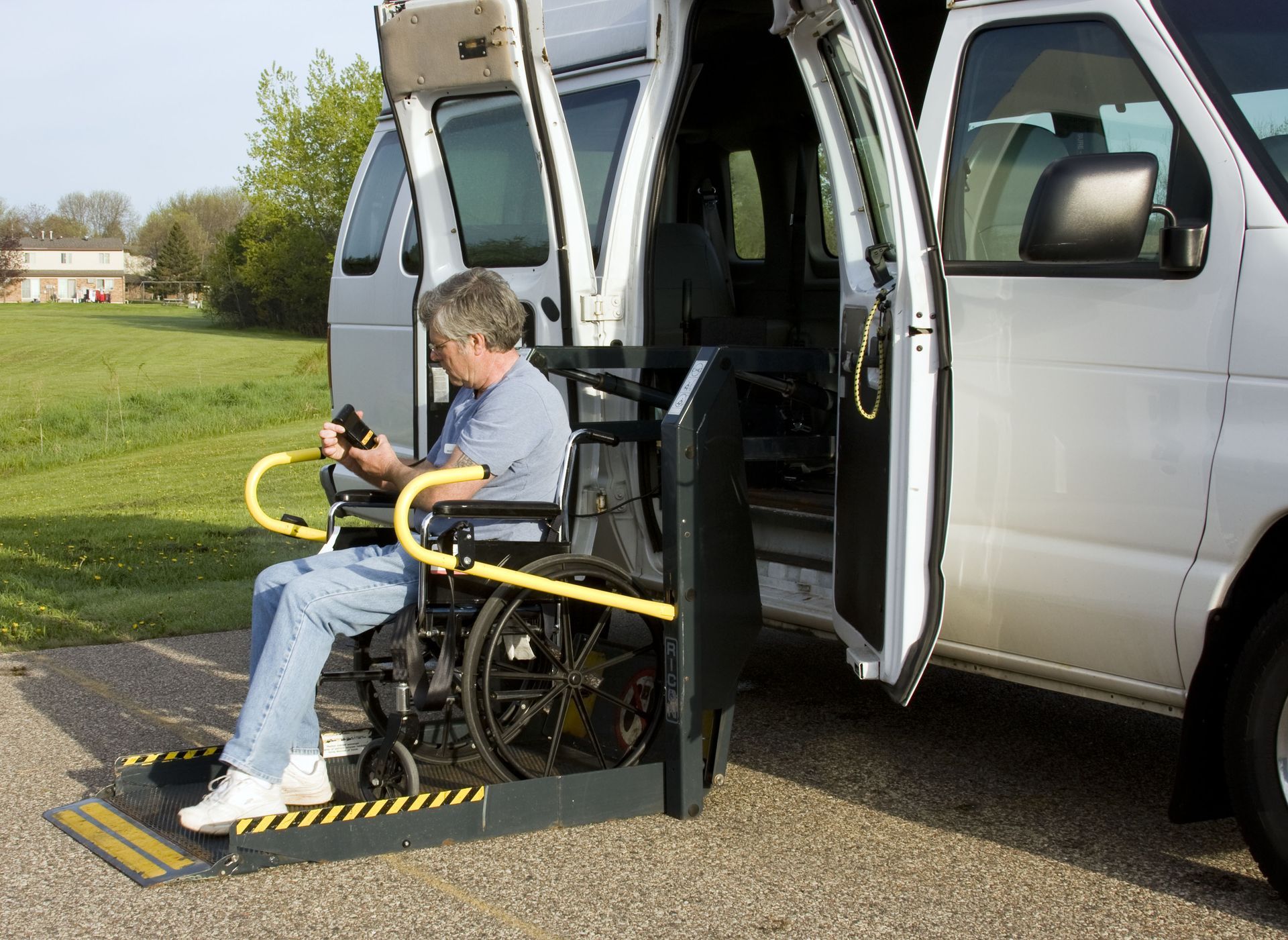
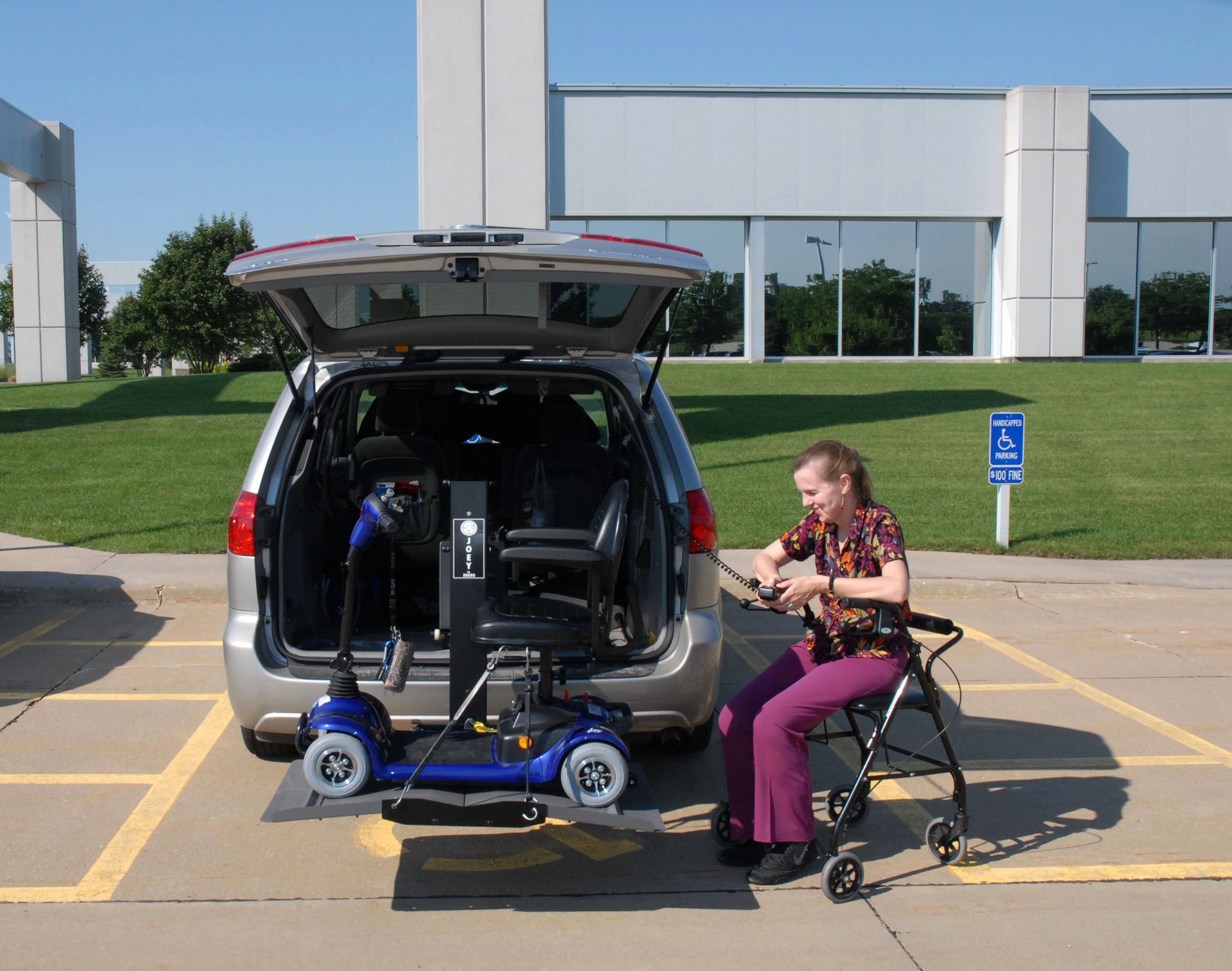
Vehicle conversion technology continues to expand the options available to people who need accessible transportation. Traditional modifications such as ramps and lifts remain important, but newer designs can provide greater flexibility and convenience. Modern handicap vans can accommodate different mobility devices and passenger configurations while maintaining a focus on comfort and usability.
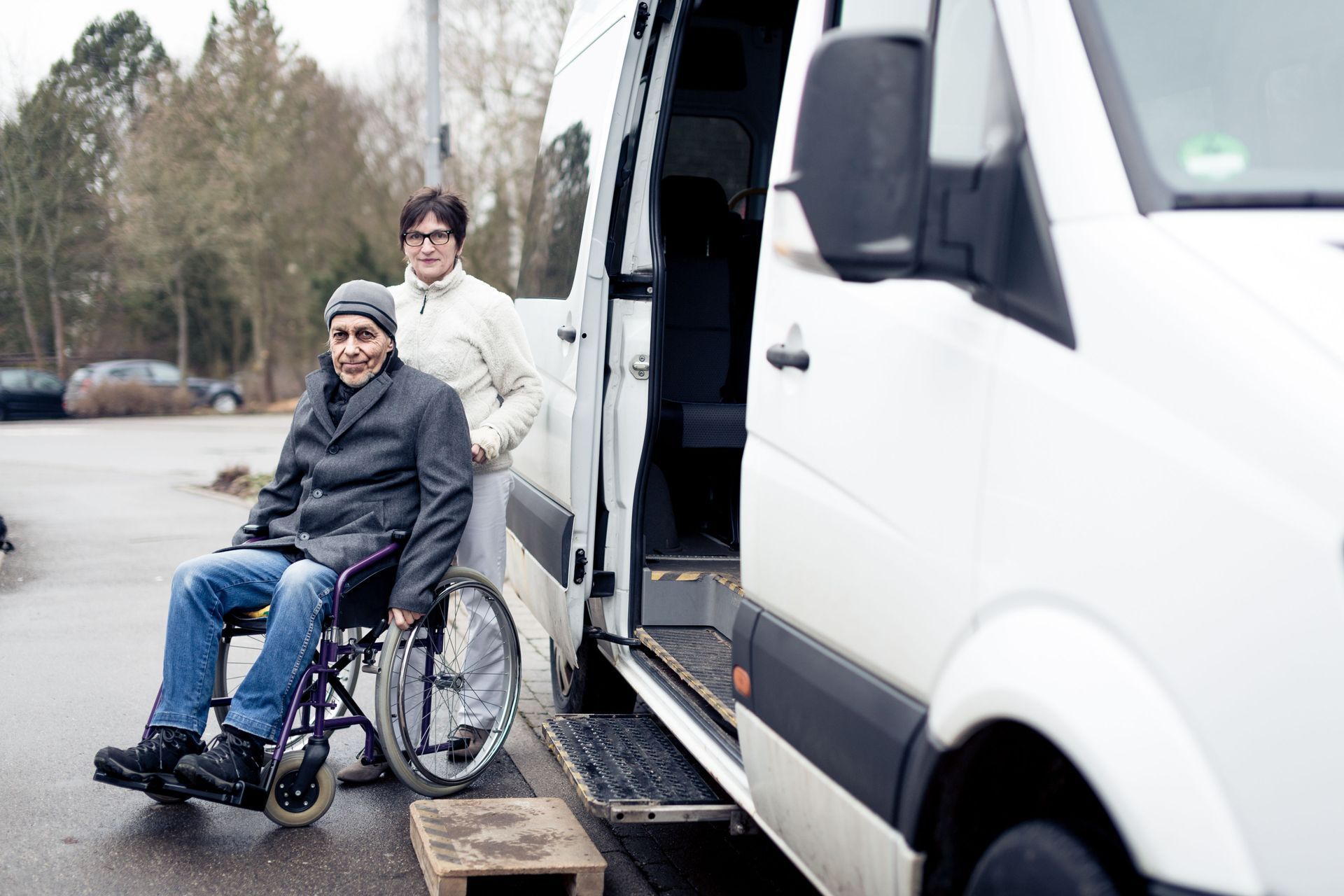
Power-transfer seats, adjustable seating systems, wheelchair-accessible entryways, and other modifications can make entering, exiting, and traveling in a vehicle more manageable. Future designs may rely even more heavily on modular components that can be adapted as an individual's transportation needs change.
This flexibility is important because mobility requirements are not identical for every person. A vehicle that works well for one individual may not provide the right combination of space, controls, seating, or accessibility for another. Continued development gives consumers more opportunities to find transportation that aligns with their circumstances.
Greater Personalization Inside the Vehicle
The future of handicap vans is not limited to mechanical accessibility. Interior design is also becoming increasingly personalized, allowing vehicles to better reflect the preferences and needs of their occupants.
Adjustable lighting, climate controls, ergonomic seating, connectivity features, and other interior options can create a more comfortable environment. Instead of treating accessibility as a single feature, manufacturers and conversion specialists can consider the vehicle as a complete environment designed around the people who use it.
Flexible seating is another important development. Seating that can move, rotate, or be adjusted can help accommodate different passengers and mobility devices. These configurations can also provide families with more flexibility when transportation needs change.
Personalized driving controls are equally important for people who operate their own vehicles. Hand controls, joystick systems, and other adaptive controls can give drivers alternatives to conventional pedals and steering arrangements. These systems allow transportation to be adapted around the driver's abilities rather than requiring the driver to conform to a standard vehicle configuration.
As adaptive technology develops, more drivers may have access to controls that provide improved responsiveness and ease of use. The availability of these options can contribute to greater independence by giving qualified drivers more control over how they travel.
Connected Vehicles and Smart Technology
Connectivity could become another defining feature of future accessible transportation. Smart home systems and vehicles can increasingly communicate through wireless technology, creating a more seamless experience between home and transportation.
A vehicle could potentially recognize a user's preferred seat position, climate settings, or other personalized configurations. Mobile devices and voice-controlled systems may also allow occupants to manage various vehicle functions without relying on traditional controls.
Digital connectivity may also improve access to information during a trip. Navigation systems could provide updates about traffic, accessible destinations, parking availability, and route conditions. These capabilities can help travelers make decisions with more information and confidence.
A Stronger Focus on Sustainability
Environmental concerns are influencing automotive development, and accessible transportation is no exception. Electric and hybrid vehicles offer potential benefits through reduced emissions and improved energy efficiency, while quieter powertrains can contribute to a more comfortable ride.
Battery technology will be especially important as electric transportation becomes more widespread. Greater driving ranges and shorter charging times could make electric vehicles more practical for people who rely heavily on their vehicles. A dependable charging infrastructure will also be necessary to ensure that accessible transportation is convenient beyond a person's immediate community.
Sustainability can extend beyond how vehicles are powered. Manufacturers are also exploring more efficient production methods and materials that can reduce waste. Lightweight and recyclable materials could eventually become more common in vehicle construction and conversion.
Evolving Accessibility Standards
Policy and regulation will continue to influence how accessible transportation develops. Accessibility standards establish requirements that help ensure vehicles and transportation systems can accommodate people with disabilities.
As technology changes, these standards may need to evolve as well. New vehicle interfaces, adaptive driving systems, automated features, and electric powertrains can introduce considerations that were not present when earlier accessibility requirements were developed.
Universal design principles may become increasingly important. Instead of developing transportation around a single type of user, manufacturers and policymakers can focus on solutions that accommodate a broader range of physical abilities.
Expanding Access to Transportation
Technological innovation is valuable only when people can reasonably access it. Cost, availability, insurance considerations, financing, and local infrastructure can all influence whether an individual can obtain an accessible vehicle.
As the market develops, greater competition and improved manufacturing methods could expand the availability of different transportation options. More choices can help consumers find handicap vans that fit their mobility requirements, lifestyle, and budget.
Education and awareness are also important. People who need accessible transportation may benefit from understanding the range of vehicle configurations and adaptive features available to them. Families and caregivers may likewise need information when helping someone evaluate transportation options.
Reliable transportation can help people participate in employment, education, appointments, social activities, family events, and community life. For individuals who have been limited by transportation barriers, an accessible vehicle can represent an important step toward greater independence.
What the Future Could Bring
The future of handicap vans will likely be shaped by technology, accessibility, personalization, and changing consumer expectations. Vehicles are becoming more connected, adaptive, and responsive, creating opportunities to make transportation more practical for people with different mobility requirements.
Autonomous driving technology could eventually change the role of the driver, while adaptive controls can provide alternatives for people who cannot comfortably use conventional vehicle systems. At the same time, improvements in conversion technology can make passenger transportation more flexible.
Safety will remain a central consideration as these developments continue. New features must work reliably and be designed around real-world accessibility needs. The most useful innovations will be those that combine convenience with dependable performance and ease of use.
The broader goal is to make mobility less restrictive. With millions of Americans facing travel limitations because of disability or being housebound, continued progress in accessible transportation can have meaningful effects on quality of life. Future developments in handicap vans could help more people travel beyond their homes and participate more fully in their communities.
For those exploring accessible transportation options, Mobility Driven can help you consider solutions suited to your transportation needs. Contact Mobility Driven to learn more about available mobility vehicles, accessibility features, and options designed to support greater freedom and independence on the road.