November 6, 2026
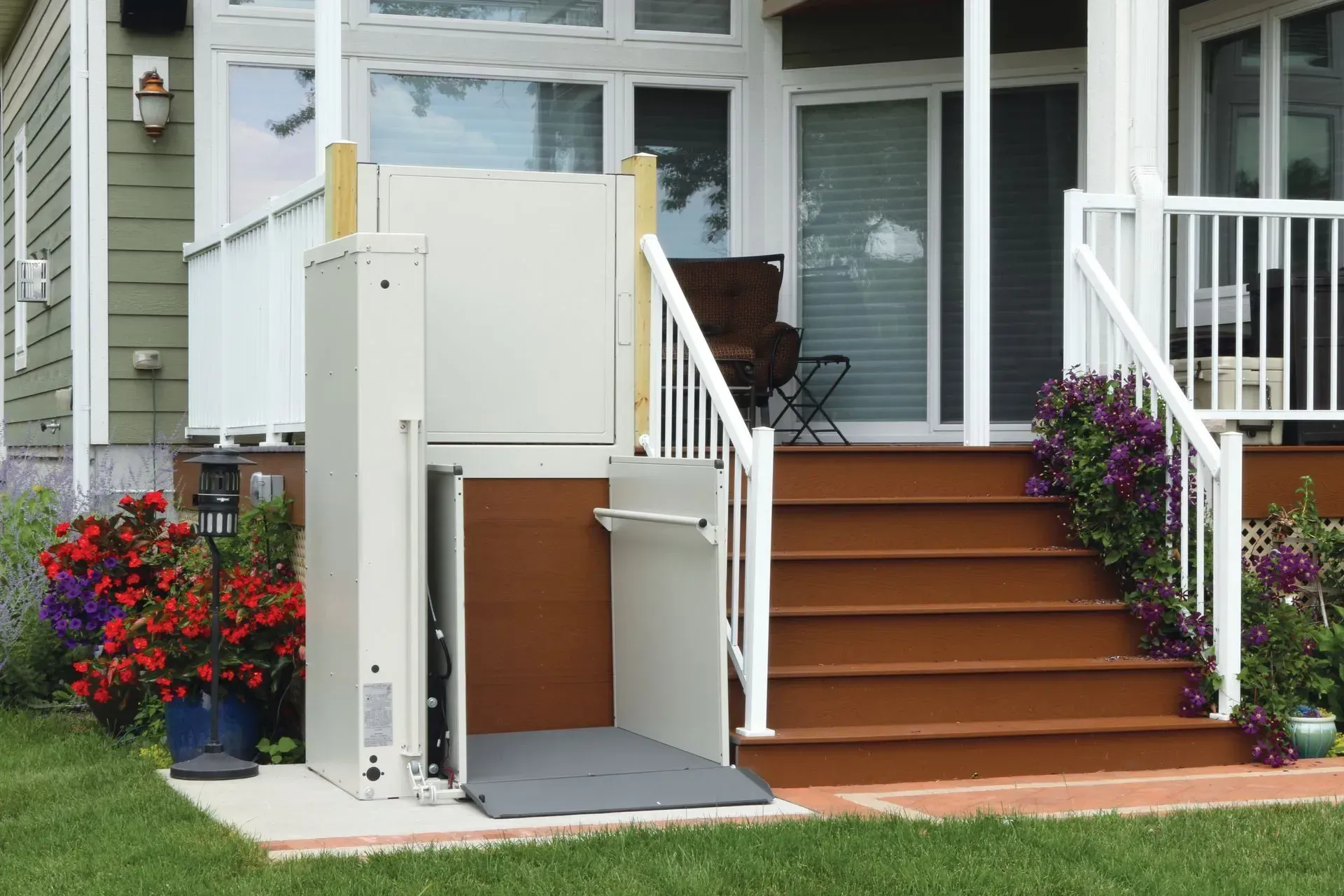
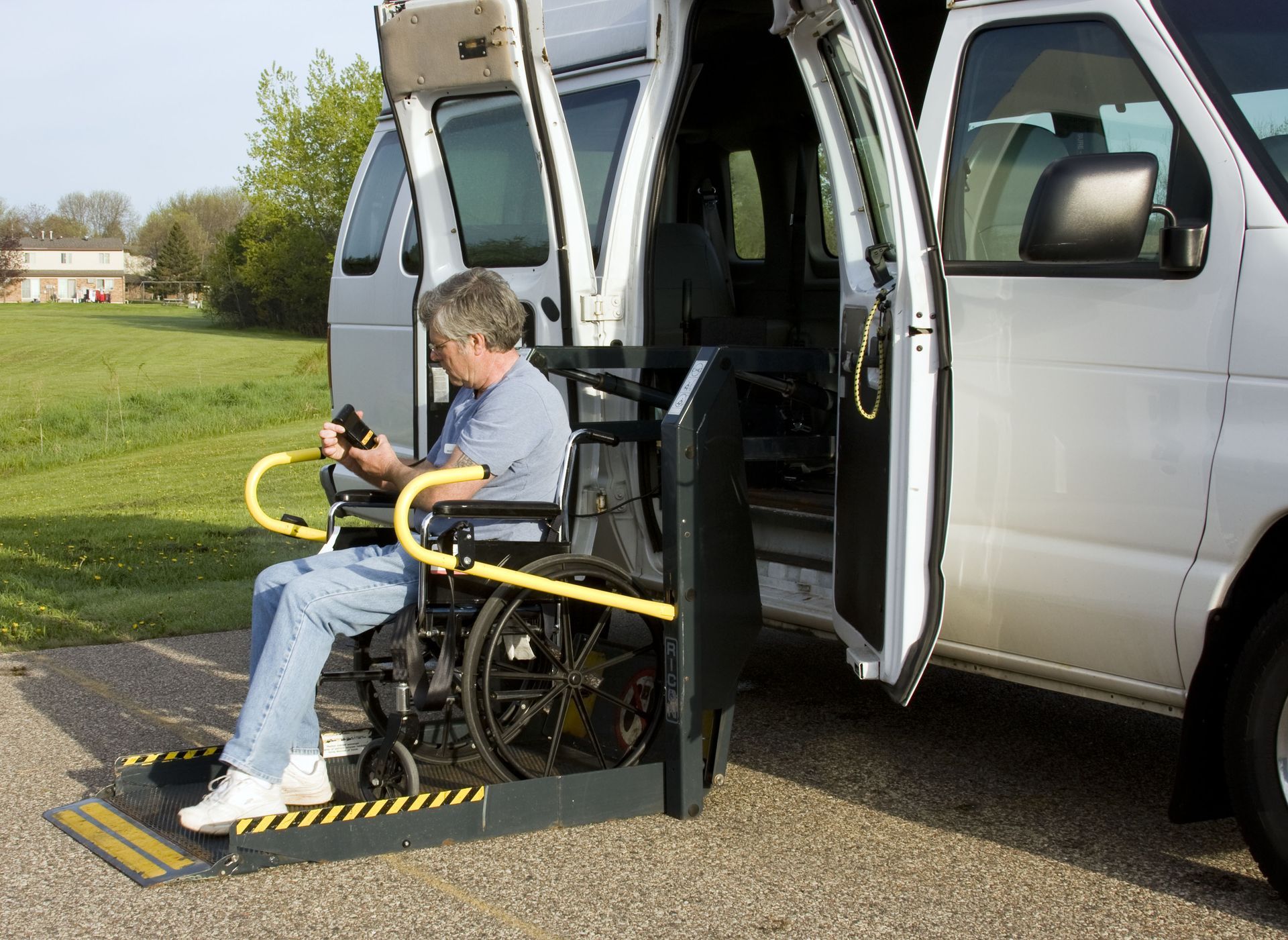
The conversation around home accessibility has increasingly gained momentum, underscoring a vital need for ramps and stair lifts. As populations age and more individuals live with mobility-related chronic health conditions, integrating accessibility features into homes becomes increasingly crucial. These elements not only provide a lifeline for individuals striving to maintain independence but also enrich society by fostering inclusive spaces. Ramps and stair lifts bridge critical gaps, accommodate various needs, and serve to elevate the quality of life for millions. Thus, the necessity to advocate for more accessible homes grows more apparent and urgent with each passing day.
The Growing Need for Accessible Homes
Demographic Shifts Towards Aging Populations
As the global population ages, the demand for accessible housing solutions such as ramps and stair lifts has surged. This demographic shift results in a notable increase in the number of elderly individuals who wish to continue living independently. Unfortunately, many homes remain unequipped to facilitate aging in place, which can be detrimental to the well-being of occupants. Homes with appropriate accessibility features enable a more comfortable and independent lifestyle, reducing the dependency on external help. Acknowledging this demographic reality compels architects and builders to prioritize accessibility in home design right from the ground up.
Increase in Chronic Health Conditions
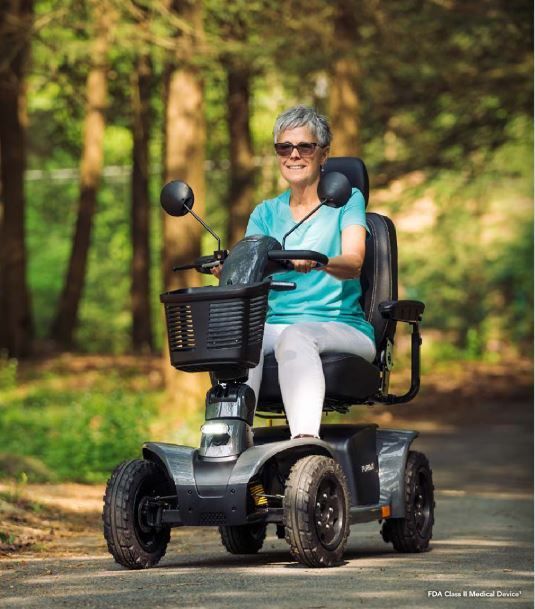
The prevalence of chronic health conditions affecting mobility is another factor driving the need for accessible homes. Conditions such as arthritis, osteoporosis, and cardiovascular diseases impair physical movement, making navigation in traditional homes challenging. Accessibility features such as ramps and stair lifts cater to these needs, supporting everyone from the chronically ill to temporarily injured individuals. This would empower many to retain their autonomy and reside comfortably in their homes without relocation. Given that only 5% of households have a ramp and just 1% have stair lifts, according to AARP, the gap in accessibility features remains vast.
Legal and Social Pressure for Inclusivity
Inclusion has become more than a social cause; it is an ongoing legal and ethical obligation in modern societies. Legal mandates like the Americans with Disabilities Act (ADA) set forth compliance standards that encourage inclusive design. Social pressures also augment this push, ensuring that homes reflect the diverse needs of potential occupants. Compliance with these regulations is not only a legal good but also a manifestation of our collective commitment to equality and human dignity. Therefore, integrating ramps and stair lifts is in alignment with wider social and legislative goals.
Urbanization and High-Rise Living
Urbanization trends have ushered in a new wave of high-rise residential living, necessitating robust accessibility solutions. In densely populated areas, vertical living spaces are more susceptible to accessibility challenges. Stair lifts can provide a pragmatic solution for multi-story homes in high-rise buildings, offering a seamless transition between levels. Their integration equips urban residences to accommodate people with mobility issues, bridging gaps that exist in such environments. As cities expand, prioritizing accessibility within these vertical spaces becomes increasingly critical.
Design and Functionality of Ramps
Types of Ramps Available
The market for ramps offers an array of designs to meet varied residential needs, ranging from portable to semi-permanent and permanent structures. Portable ramps are generally lightweight and can be moved as needed, providing a flexible solution. Semi-permanent ramps are fixed but can be relocated, fitting for rental properties or short-term requirements. Permanent ramps, often made from durable materials like concrete or metal, are ideal for long-term use in owned homes. Each design type offers distinct functionalities, catering to different settings and homeowner needs.
Safety Standards and Regulations
The safety and efficacy of ramps are ensured through adherence to established standards and regulations. These guidelines, often outlined by the ADA or similar bodies, dictate slope ratios, width minimums, and surface textures for safety. Such regulations protect users from accidents and ensure that ramps are easily navigable by individuals with a variety of mobility devices. Compliance not only bolsters trust but also reduces liability for homeowners. Therefore, understanding and implementing these standards is an essential part of ramp installation.
User-Centric Design Considerations
User-centric design is pivotal in creating ramps that deliver comfort and security to all users. Design elements like non-slip surfaces, handrails, and ample width ensure safety while accommodating diverse needs. Ramps must also integrate seamlessly with home aesthetics, avoiding the clinical appearance that deters some homeowners. Consideration of gradients and ease of transition between levels contributes to long-term usability. Accounting for these factors in the design process guarantees a ramp that not only meets functional requirements but also enhances the user experience.
Cost and Installation Process
The cost of ramp installation varies based on material choices, design complexity, and labor expenses. Typically, factors such as the ramp length, intended weight capacity, and scope of preparatory groundwork contribute to total costs. Understanding the full scope of financial outlay helps in setting realistic budgets, especially considering that professional installations ensure maximum safety and adherence to regulations. Homeowners should also factor in potential maintenance costs, ensuring their investment retains longevity. Thus, thorough planning and budgeting are crucial for a satisfactory installation experience.
Advantages of Stair Lifts for Two-Story Homes
Stair Lift Technology and Innovation
Advancements in stair lift technology have expanded their appeal by enhancing comfort and safety features. Innovations such as swivel seating, fold-up designs, and intuitive control interfaces elevate usability. Modern stair lifts also boast quieter motors and refined aesthetic integration, making them an unobtrusive addition to homes. These developments empower users to navigate stairs with ease and confidence, minimizing stress and potential accidents. However, the rarity of stair lifts, being present in a mere 1 percent of homes, underscores a significant accessibility gap that needs to be addressed.
Customization Options for Varying Needs
One significant advantage of modern stair lifts is their adaptability to individual needs and preferences. Customization options range from seat designs and material finishes to technological features like remote controls and backup power systems. These options allow lift installations that cater to the specific aesthetic and functional desires of homeowners, enhancing their satisfaction. Stair lifts can also be tailored for different staircase types, whether straight, curved, or spiral, ensuring compatibility for all home designs. Such personalization not only improves usability but also aligns the solutions with personal tastes and home styles.
Impact on Independence and Mobility
Stair lifts significantly contribute to users' independence, granting them the freedom to move unhindered between home levels. For individuals facing mobility challenges due to age or health conditions, this can be life-altering. Rather than relying on external help or limiting themselves to one floor, stair lifts allow continuous enjoyment of entire living spaces. This independence extends daily routines and significantly enhances quality of life. Moreover, maintaining such autonomy can have positive psychological effects, fostering self-esteem and morale.
Considerations for Installation and Maintenance
Understanding the installation and maintenance requirements of stair lifts is critical for prospective users. Professional installation ensures that the lift is safely secured and aligned with stairs, minimizing the risk of future issues. Regular maintenance, including cleaning, lubricating mechanical components, and checking safety features, is essential for longevity. Homeowners must be prepared for periodic upkeep costs, offset by the lift's benefits. Awareness of these aspects allows for well-informed decisions, ensuring the
stair lift remains a reliable aid.
Enhancing home accessibility through the incorporation of ramps and stair lifts holds immense promise for elevating quality of life across society. These elements not only meet the immediate needs posed by an aging populace and rising prevalence of chronic conditions but also align with essential inclusivity goals. Despite challenges in implementation, the path forward embodies numerous opportunities for societal and economic betterment. Embracing accessibility reflects a commitment to inclusive environments and the enhancement of well-being for individuals globally. As we rally for more accessible homes, incremental change becomes a catalyst for holistic, sustainable transformation—partner with Mobility Driven today to discover tailored ramps, stair lifts, and adaptive solutions designed to restore your independence and transform your home.