November 5, 2026
Mobility is central to human autonomy, shaping how individuals navigate their homes, pursue careers, and engage with their communities. When physical movement becomes limited—whether through congenital conditions, sudden trauma, chronic illness, or the natural progression of aging—the impact extends far beyond the physical body. Mobility impairment alters daily routines, strains emotional well-being, and frequently exposes structural shortcomings in the built environment. Navigating these obstacles requires a comprehensive understanding of what mobility limitations entail, the societal and systemic barriers they reveal, and the evolving solutions designed to restore independence. Keep reading to learn more.
Understanding Mobility Impairment
Definition and Types of Mobility Impairment
Mobility impairment refers to conditions that affect movement, which can be temporary or permanent, varying widely in severity. It includes limitations due to physical disabilities, such as paralysis, cerebral palsy, or arthritis, which can impede gross or fine motor skills. Mobility impairments can also be caused by neurological disorders, affecting coordination and balance. Additionally, injuries or surgeries might result in temporary mobility impairments that require rehabilitation. Understanding these types is essential for developing targeted interventions to improve mobility and quality of life for affected individuals.
Causes and Risk Factors
There are numerous causes of mobility impairment, ranging from congenital conditions, genetic disorders, illness, to accidents. Conditions such as rheumatoid arthritis, muscular dystrophy, and multiple sclerosis are common culprits. Risk factors may include aging, lifestyle choices, and environmental hazards. According to the CDC, mobility challenges affect roughly one in four older adults (26.9%) and more than 18% of middle-aged individuals. Identifying these causes and risk factors enables healthcare professionals to tailor preventative measures and treatment plans more effectively.
Prevalence and Demographics
Mobility impairment affects millions globally, with prevalence rates varying by region and demographic groups. In developed countries, aging populations contribute significantly to higher prevalence rates of mobility impairment. This demographic tends to have increased susceptibility due to age-related conditions and other health issues. Additionally, mobility impairment is observed more frequently in communities with less access to healthcare and rehabilitation services. Understanding these demographics helps in planning healthcare infrastructure and public policy to accommodate the needs of people with mobility impairments.
Common Challenges Faced by Individuals
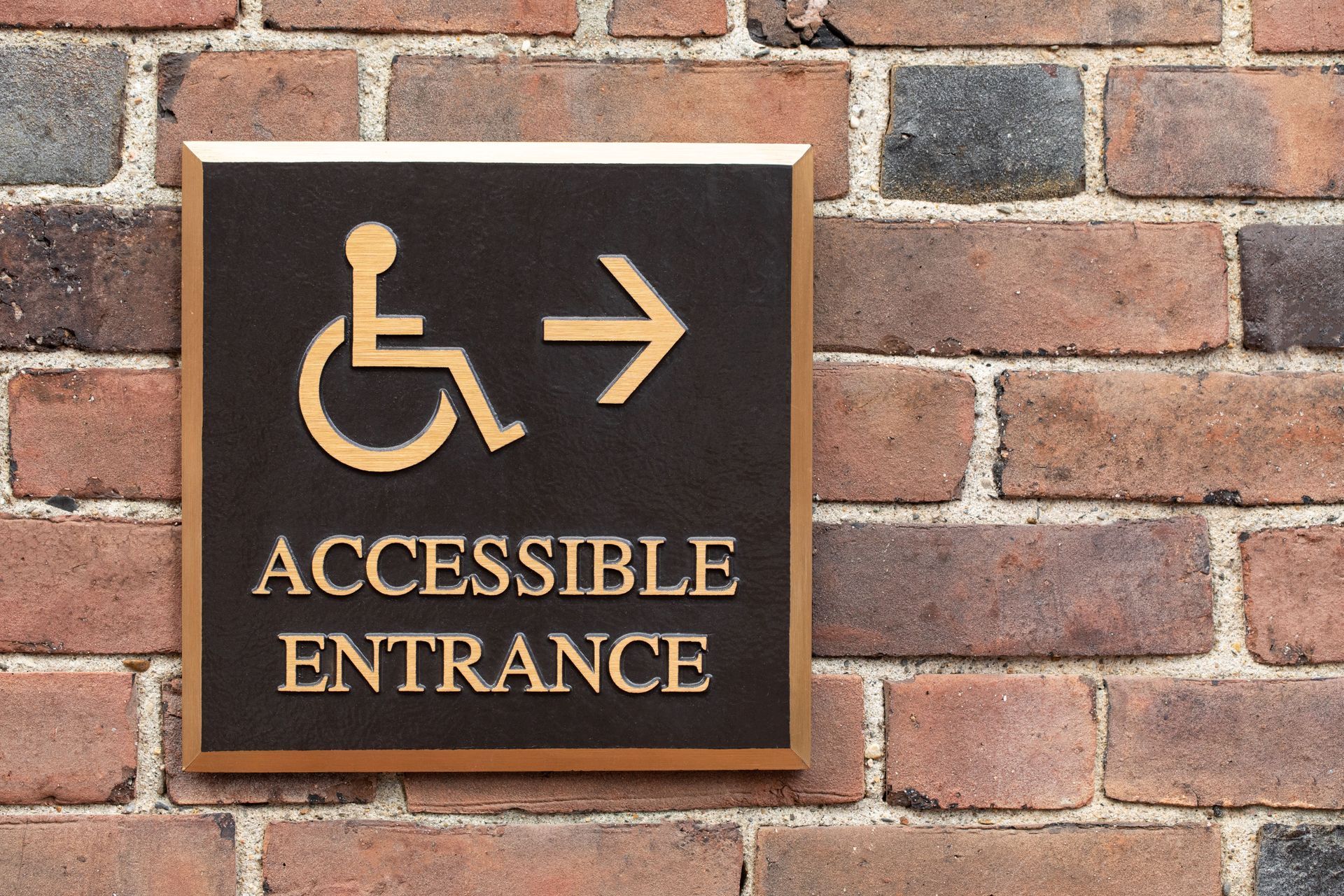
Individuals with mobility impairments often face numerous challenges, including physical barriers in the built environment that hinder independence. Navigating public spaces, transportation systems, and even personal residences without adequate accessibility features can significantly impact daily life. For many families, securing a reliable handicap van becomes essential to overcoming transit deficits and ensuring dependable access to work, medical care, and social life.
Additionally, societal attitudes and stigmas contribute to isolation and discrimination. Health complications arising from sedentary lifestyles and the need for continuous medical care further compound these challenges. Addressing these barriers requires a multifaceted approach involving infrastructure, societal change, and individual support.
Innovations and Adaptations in Daily Life
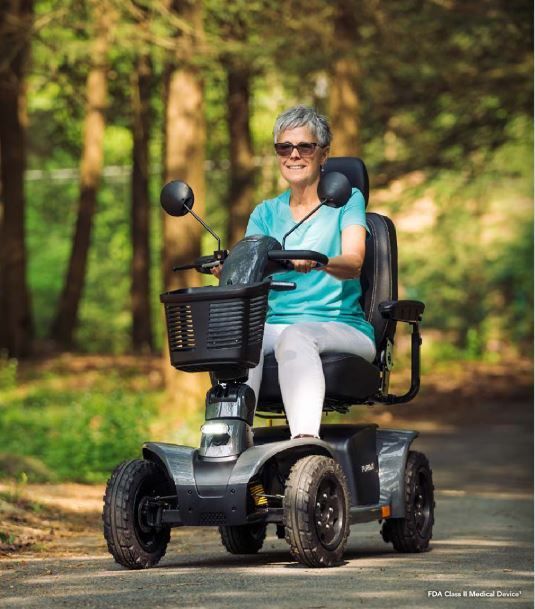
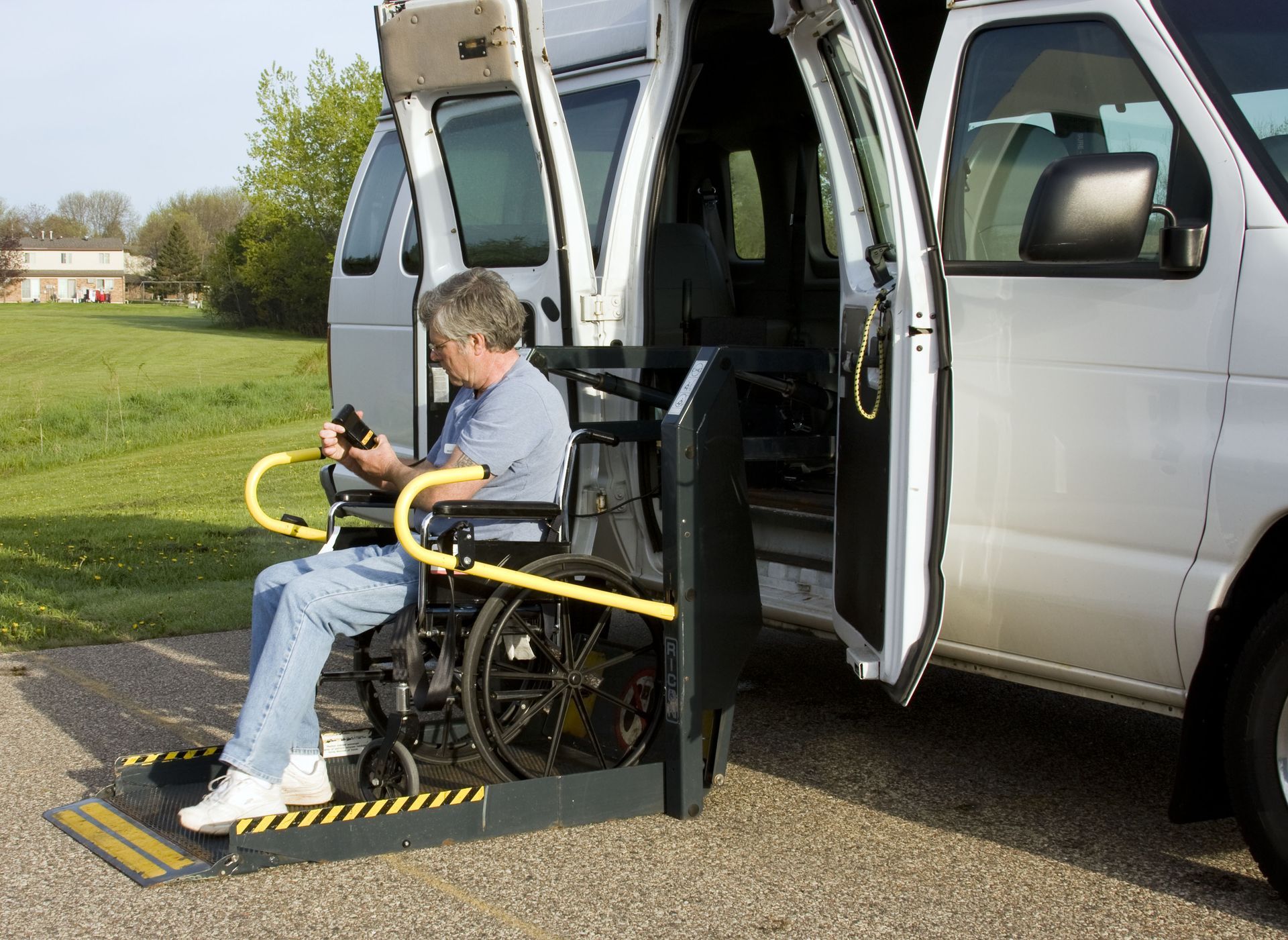
Technology and adaptive equipment have significantly improved the quality of life for individuals with mobility impairments. Wheelchairs, scooters, and other mobility aids enable more independence and ease of movement. Beyond personal aids, investing in a customized handicap van equipped with ramp systems and secure tie-downs allows wheelchair users to travel seamlessly without strenuous transfers.
Homes and workspaces are also increasingly incorporating adaptive designs, such as adjustable countertops and widened doorways, to accommodate mobility needs. The advent of smart home technology allows for automation of appliances and lighting, enhancing autonomy. Continuous innovation in assistive devices and adaptive strategies is crucial for improving accessibility and long-term freedom of movement.
The Social and Psychological Impact of Mobility Impairment
Social Isolation and Stigma
Social isolation is a significant challenge for individuals with mobility impairments, stemming from both physical barriers and societal attitudes. The inability to participate in social activities or access public spaces can lead to feelings of exclusion and loneliness. Access to a converted handicap van frequently serves as a bridge across this divide, giving individuals the spontaneous travel capability needed to visit friends, attend community gatherings, and reduce feelings of alienation. Stigma and misconceptions about disability further exacerbate these struggles, often resulting in discrimination or marginalization. Social networks and community support play vital roles in mitigating these impacts by fostering inclusivity and acceptance. Raising awareness and understanding of mobility impairments is essential to break down these social barriers.
Mental Health Challenges
Mobility impairment can significantly affect mental health, contributing to conditions such as depression, anxiety, or stress. The psychological impact stems from physical limitations, loss of independence, and social isolation. When an individual regains the freedom to commute independently using a driver-adapted handicap van, the psychological relief and restoration of self-worth can be profound. Access to mental health services and peer support networks is equally crucial in providing coping mechanisms and emotional support. Addressing mental health challenges is an essential component of comprehensive care for individuals with mobility impairments.
Support Systems and Community Resources
Support systems and community resources play critical roles in enhancing the lives of those with mobility impairments. Family members, caregivers, and peer networks provide necessary emotional and practical support. Community organizations offer resources such as accessible transit, vocational training, and grants to offset the cost of acquiring a modern handicap van. Increased government and non-governmental support is needed to provide these resources and services reliably. Developing robust support networks can significantly improve the independence and well-being of individuals with mobility impairments. Collaboration among healthcare providers, communities, and policymakers is essential to optimize these support systems.
The Role of Family and Caregivers
Family members and caregivers are vital in the daily lives of individuals with mobility impairments, offering essential support and care. They assist with daily activities, medical appointments, and social interactions, often acting as advocates for accessibility and healthcare needs. Equipping caregivers with an accessible handicap van featuring automated entry ramps and kneeling suspension drastically minimizes physical lifting strains during transit. The well-being of caregivers themselves is crucial, as the physical demands of caregiving can lead to stress and burnout. Resources and training for caregivers are essential to support their roles effectively. Fostering a collaborative environment between caregivers, family members, and healthcare professionals enhances the quality of care and support.
Technology and Mobility Accessibility
Assistive Technologies and Devices
Assistive technologies are transformative in enhancing the mobility and independence of individuals with impairments. Devices such as powered wheelchairs, exoskeletons, and walk-assist robots provide increased mobility and functionality. Transitioning these devices between destinations often requires a specialized handicap van capable of handling heavy power chairs via hydraulic lifts and reinforced flooring. These combined technologies are tailored to diverse needs, offering customized solutions for personal mobility challenges. The development and accessibility of assistive technology help bridge mobility gaps and enable individuals to participate more fully in daily life. Continued investment and innovation in this area are crucial for advancing mobility accessibility.
Digital Accessibility and Mobile Apps
Digital accessibility is pivotal for ensuring equal access to information and communication for individuals with mobility impairments. Mobile apps and online platforms designed with accessibility features enhance usability and engagement. Modern smartphone applications can even integrate directly with a
handicap van, allowing drivers to deploy ramps, unlock doors, and adjust climate settings remotely before boarding. Technologies like voice assistants, adaptive keyboards, and screen readers support diverse user needs. Compliance with digital accessibility standards is essential for creating inclusive digital environments. Empowering individuals through accessible technology fosters greater independence and connection in the digital world.
Challenges in Technological Adoption
Despite the benefits of technology, challenges exist in adopting and integrating new solutions in mobility accessibility. Cost, technical complexities, and user acceptance are primary barriers to technology adoption. Additionally, disparities in access to technology between regions or socioeconomic groups can widen accessibility gaps. Collaborative efforts by developers, policymakers, and stakeholders are required to address these challenges. Ensuring technological solutions are inclusive and accessible from the outset is essential to maximize their impact.
Addressing mobility impairment requires far more than engineering physical workarounds; it demands a fundamental shift in how society designs its spaces, technologies, and support structures. By uniting advanced assistive innovations with compassionate caregiving networks and inclusive public policies, communities can dismantle systemic hurdles. Ultimately, creating an accessible world does not merely support those with mobility limitations—it enriches society as a whole by ensuring that every individual can participate, contribute, and thrive with independence. Reach out to Mobility Driven today to discover adaptive equipment, custom vehicle modifications, and accessibility solutions tailored to help you navigate life on your own terms.